
Aberdare National Park, Kenya
“Majestic Peaks, Moorlands and Intriguing Falls”
Alluring and dreamy, the rise and fall of the misty valleys, hills and mountains of the spectacular Aberdare ranges that sit across Nyeri and Nyandarua counties are a sight to behold. Open moorlands and dense forests characterize the vast park coupled with a deep lush of clean crisp air perfect for a break away from life in search of relaxation, peace and tranquility. The picturesque mountainous scenery is one of the highlights of a visit to this wonderland.
The park is renowned for its torrential waterfalls plunging from cloud-shrouded heights to spray-filled ravines. The magnificent Karuru water falls, whose ice cold crystal clear waters drop an impressive 300meters, the spectacular Gura water falls which torrent from the opposite side of the same gorge, the sheer drop of the Chania water falls, and the enchanting Magura water falls which cascade across the yawning mouth of the Queen’s Cave.
By Road: The Park is readily accessible on tarmac from Nyeri and Naro Moru on the Eastern side and it’s 180 Kms from Nairobi. A road crosses the park through the lower slopes up to the Moorlands to connect with another one from Naivasha on the western side. Naivasha is 87 Kms from Nairobi. The park HQS is 15 Kms from Nyeri town, along the Nyeri – Nyahururu road.
By Air: The nearest airstrip is the Mweiga Airstrip on the opposite side from Park Hqs along Nyeri – Nyahururu road near Sasini Estate Farm.
- Game animals easily seen in the park during game viewing include; African Elephant, black rhino, leopard, spotted hyena, olive baboon, black and white colobus monkey, sykes monkey, cape buffalo, warthog, common zebra (North Aberdare), bushbuck, reedbuck. Rare sightings include those of Giant Forest hog, bongo, golden cat, serval cat, African wild cat, African civet cat, blue duiker.
- Very beautiful sceneries of Aberdare include magnificent waterfalls with the main ones being Karuru waterfalls which fall in three steps, 1st step 117M, 2nd step 26M and 3rd 130M, making a total of 273M, Chania waterfalls and may other smaller ones.
- Adding to the beauty of Aberdare are many ridges and river valleys which attract mountain scenery photographers.
- A recent marked attraction in Aberdare is the 400Kms electric fence which was completed – final post on 28th August, 2009. The fence protects the whole Aberdare ecosystem from human pressures and contains wildlife, preventing human/wildlife conflict.
- Visitors can also indulge in picnics, trout fishing (in the past the rivers were stocked with brown rainbow trout) in the rivers and camping in the Moorlands. Bird viewing is rewarding with about 290 recorded bird species, including the Aberdare Cisticola that is critically endangered and the Jackson’s francolin, which is regionally endemic, sparry hawk, goshawks, eagles, sunbirds and plovers
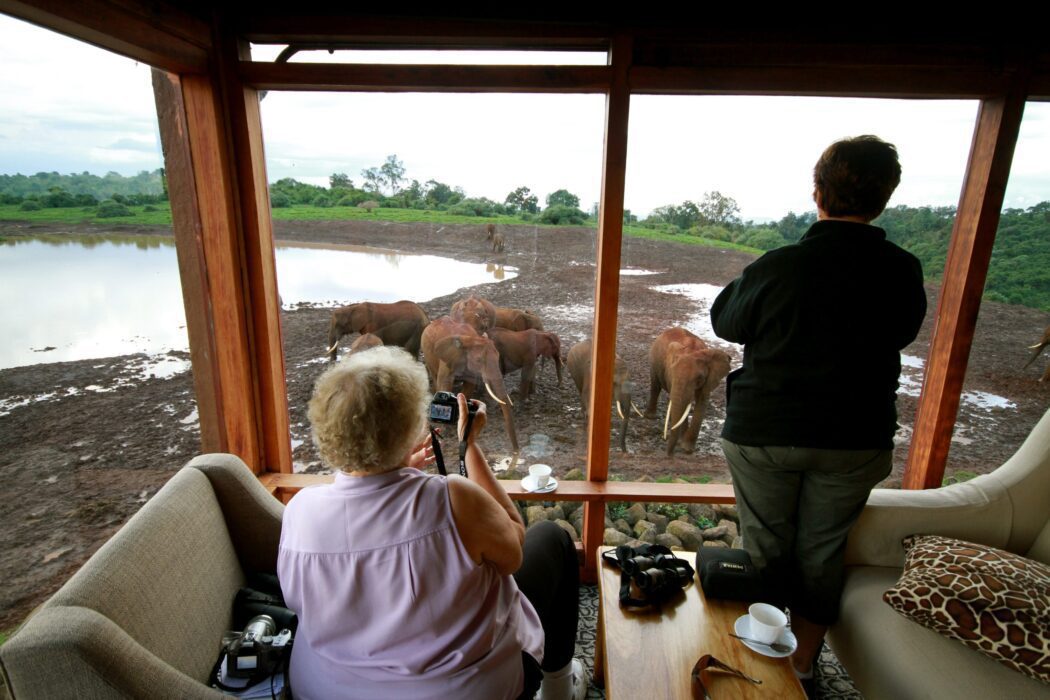
The Ark: This iconic lodge is designed to resemble Noah’s Ark and offers panoramic views of the surrounding forest and waterhole. Guests can observe wildlife such as elephants, buffaloes, and various bird species from the comfort of the lodge’s viewing decks and lounges.
Treetops Lodge: Treetops Lodge is famous for being the location where Princess Elizabeth became Queen Elizabeth II following the death of her father, King George VI. The lodge offers cozy accommodations and overlooks a waterhole where wildlife frequently gathers.
Where is Aberdare National Park located?
- Aberdare National Park is located in central Kenya, about 100 kilometers (62 miles) north of Nairobi, the capital city. It covers an area of approximately 766 square kilometers (296 square miles).
What is the main attraction of Aberdare National Park?
- Aberdare National Park is known for its diverse ecosystems, including dense forests, moorlands, and waterfalls. It is home to a variety of wildlife, including elephants, buffaloes, leopards, and the rare bongo antelope.
How do I get to Aberdare National Park?
- Visitors can access Aberdare National Park by road from Nairobi, with the journey taking approximately 2 to 3 hours depending on traffic and road conditions. The park can also be reached by charter flights to nearby airstrips.
What activities can I do in Aberdare National Park?
- Visitors to Aberdare National Park can enjoy a range of activities, including game drives, nature walks, birdwatching, and trout fishing in the park’s rivers and streams. Guided hikes to scenic viewpoints and waterfalls are also popular.
Are there accommodations available inside Aberdare National Park?
- Yes, Aberdare National Park offers unique tree lodges, including The Ark and Treetops Lodge, where guests can stay and observe wildlife from elevated viewing decks. These lodges provide a one-of-a-kind experience of sleeping in the heart of the forest.
Is it safe to visit Aberdare National Park?
- Yes, Aberdare National Park is considered safe for visitors. However, it’s essential to follow park regulations, stay on designated trails during hikes, and be cautious of wildlife encounters.
When is the best time to visit Aberdare National Park?
- The best time to visit Aberdare National Park is during the dry seasons, from June to September and from December to February. During these times, wildlife is more concentrated around water sources, making it easier to spot.
What wildlife can I see in Aberdare National Park?
- Aberdare National Park is home to a variety of wildlife, including elephants, buffaloes, leopards, spotted hyenas, and various antelope species. It is also one of the few places in Kenya where you can see the rare bongo antelope.
Can I go hiking in Aberdare National Park?
- Yes, Aberdare National Park offers several hiking trails, ranging from short nature walks to longer treks to waterfalls and scenic viewpoints. Guided hikes are available, and visitors can explore the park’s diverse landscapes on foot.
Are there dining facilities and amenities in Aberdare National Park?
- Yes, the tree lodges in Aberdare National Park offer dining facilities and amenities for guests, including restaurants, bars, and lounges. Meals are typically included in the accommodation packages, and guests can enjoy delicious cuisine while observing wildlife from the comfort of the lodges.
Frequently Asked Kenya Safari Questions
How do I book a safari in Kenya with Johari Africa Adventures?
Your dream safari in Kenya can be booked by contacting Johari Africa Adventures via call, WhatsApp, Email, Facebook chat, Instagram chat e.t.c. It’s advisable to research different options, compare prices and reviews, and book in advance, especially during peak tourist seasons.
Which are the top 15 safari & beach destinations in Kenya?
Kenya offers an incredible combination of world-famous safari parks and stunning tropical beaches, making it one of Africa’s premier holiday destinations. Top safari and beach destinations include Masai Mara National Reserve, renowned for the Great Migration and exceptional wildlife viewing; Amboseli National Park, famous for elephant herds and views of Mount Kilimanjaro; Tsavo East National Park and Tsavo West National Park, Kenya’s largest wilderness areas; Lake Nakuru National Park, known for rhinos and birdlife; Samburu National Reserve, home to unique northern wildlife species; Ol Pejeta Conservancy and Laikipia Plateau for luxury conservation safaris; Aberdare National Park and Mount Kenya National Park for scenic landscapes and adventure. Along the coast, visitors can relax on the white-sand beaches of Diani Beach, Watamu, Malindi, Nyali Beach, and Bamburi Beach, while exploring the rich Swahili culture and marine life around Lamu Island. Together, these destinations showcase the very best of Kenya’s wildlife, landscapes, culture, and coastal beauty.
Is it possible to combine safari in Kenya with a Tanzania safari & Zanzibar beach vacation?
Johari Africa Adventures seamlessly designs and operates cross-border journeys that combine the very best of East Africa, allowing you to experience an unforgettable Kenya safari alongside an equally spectacular Tanzania safari and/or a relaxing Zanzibar beach escape. From the Great Migration in the Masai Mara and Serengeti to the pristine white sands and turquoise waters of Zanzibar, every itinerary is carefully coordinated for smooth border crossings, well-timed connections, and exceptional comfort. With expert planning and experienced driver-guides, guests enjoy a single, well-organized journey that blends wildlife, culture, and beach relaxation into one extraordinary East African adventure.
Do I need a visa to visit Kenya for a safari?
Yes, most visitors to Kenya require a visa / Electronic Travel Authorization. It’s recommended to check the visa requirements for your country of citizenship before traveling. Check more here https://johariafricaadventures.com/kenya-evisa-requirements-and-fees/
When is the best time to go on a safari in Kenya?
The best time for a safari in Kenya is during the dry season, which typically runs from June to October. This period offers excellent wildlife viewing opportunities as animals gather around water sources.
What should I pack for an African safari?
Essential items to pack for a safari include lightweight clothing, a hat, sunscreen, insect repellent, binoculars, camera with extra batteries, and sturdy walking shoes.
Is it safe to go on safari in Kenya?
Yes, Kenya is generally safe for safaris, but it’s important to follow the advice of your safari guide and adhere to park regulations for a safe and enjoyable experience.
-friendly campsites and guesthouses.
Do I need vaccinations before going on safari in Kenya?
It’s recommended to consult with a healthcare professional or travel clinic for advice on necessary vaccinations and health precautions before traveling to Kenya for a safari.
Can I go on safari with children?
Yes, many safari lodges and camps in Kenya welcome families with children and offer child-friendly activities and accommodations. However, it’s important to check age restrictions and safety guidelines with individual lodges or tour operators.
Which are the Big Five animals of Africa?
The Big Five refers to the five most sought-after and iconic African wildlife species: lion, elephant, buffalo, leopard, and rhinoceros.
What activities can I do on safari besides game drives?
In addition to game drives, safari activities may include guided nature walks, birdwatching, hot air balloon safaris, cultural visits to local communities, and visits to conservation projects or wildlife sanctuaries.
What animals can I expect to see on safari in Kenya?
Kenya is home to a diverse array of wildlife, including the Big Five (lion, elephant, buffalo, leopard, rhinoceros), giraffe, zebra, wildebeest, cheetah, hyena, and various antelope species.
What is a safari?
A safari is an adventure or journey, typically in Africa, to observe and photograph wildlife in their natural habitats.
What is a game drive?
A game drive is a guided excursion in a safari vehicle through a national park or wildlife reserve to observe and photograph animals.
What types of accommodations are available on safari?
Accommodation options on safari range from luxury lodges and tented camps to budget-friendly campsites and guesthouses.
What is the wildebeest migration?
The wildebeest migration is an annual natural phenomenon in which millions of wildebeest, accompanied by zebras and other herbivores, migrate in search of greener pastures between the Serengeti National Park in Tanzania and the Masai Mara National Reserve in Kenya.
What is the difference between a national park and a conservancy?
National parks are government-managed protected areas set aside for conservation and wildlife viewing, while conservancies are privately owned or community-owned areas managed for conservation and sustainable tourism.
What is the weather like on safari in Kenya?
The weather on safari in Kenya can vary depending on the time of year and location. Generally, Kenya experiences a dry season from June to October and a wet season from November to May, with temperatures ranging from mild to hot.
What is the duration of a typical safari?
The duration of a safari can vary depending on individual preferences and itinerary. Safaris may range from a single-day excursion to multi-day tours lasting several days or weeks.
What currency is used in Kenya, and can I use credit cards on safari?
The currency used in Kenya is the Kenyan Shilling (KES). While major credit cards are accepted at many lodges, camps, and larger establishments, it’s advisable to carry some cash for purchases at smaller shops or markets.
Can I see Mount Kilimanjaro from Kenya on safari?
Yes, on clear days, Mount Kilimanjaro, Africa’s tallest peak, can be visible from certain areas in Kenya, such as Amboseli National Park.
What should I do if I encounter a wild animal on safari?
If you encounter a wild animal on safari, it’s important to remain calm, keep a safe distance, and follow the instructions of your safari guide. Avoid making sudden movements or loud noises that may startle the animal, and never attempt to approach or feed wild animals.
Customize your dream trip:
Just tell us your dates, number of travelers, budget & wishes. We shall create a memorable safari for you.