
Meru National Park, Kenya
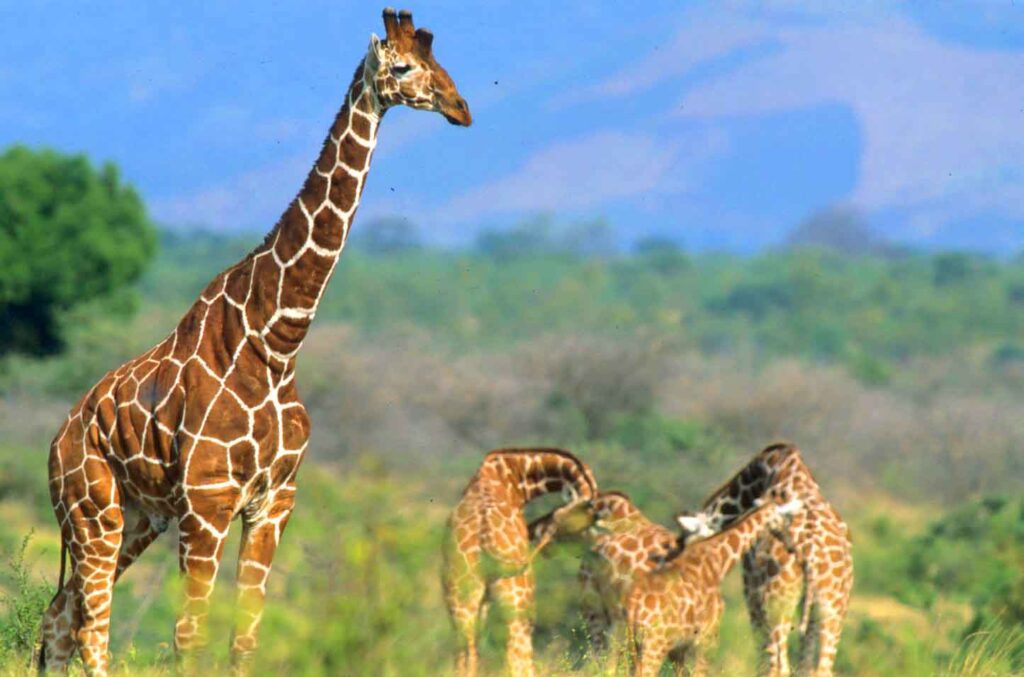
“The Complete Wilderness”
Marvelous, remote, rugged and prominently unspoilt, Meru sits intact in a wilderness less visited, yet surrounded by undiluted natural beauty. It is wild and beautiful, straddling the equator and bisected by 13 rivers and numerous mountain-fed streams. The scenery is diverse from woodlands at 3,000ft on the slopes of Nyambene mountain range, northeast of Mt. Kenya to wide-open plains with meandering riverbanks dotted with doum palms.
The park teems with a variety of wildlife species including elephant, Grevy’s zebra, lion, cheetah, leopard, hartebeest, hippo, buffalo and the reticulated giraffe among others. Meru hosts a rhino sanctuary that is home to the endangered black and white rhino species. Critically endangered, the rhinos are under a twenty-four hour surveillance. The sanctuary offers one of the best rhino viewing experiences in the wild.
Bird life is also exceptionally diverse with over 400 bird species recorded. These include Peter’s Fin foot, inhabiting the Murera and Ura rivers; Pel’s fishing owl, kingfishers, rollers, bee-eaters, starlings and weavers. The rivers abound with hippo populations, crocodiles, and fish.
The park is famous as the setting for Joy Adamson’s book ‘Born Free”, the story of the Adamson’s life and research amongst lions and cheetahs. Elsa the lioness was the most well known and her grave is marked inside the park.
- Roads:
- Access from Nairobi (348 kms) is via Nyeri-Nanyuki-Meru or via Embu all weather roads. Access into the park from Maua to Murera Gate (35 km) and 348 km from Nairobi..
- The other access is via Embu to Ura Gate (120 km), 290 km from Nairobi
- Airstrip:
- Main airstrip at Kina, Mulika next to Meru Mulika Lodge and Elsa’s Kopje airstrip
- Former home of Joy and George Adamson and Elsa the lioness
- Views of Mt Kenya
- Rivers and riverine habitats
- Tana river
- Adamson’s falls
Privately Owned Lodges & Hotels
Elsa’s Kopje
Leopard Rock Lodge
KWS Self Catering
Kinna Cottages
Kinna Guesthouse
Murera Cottages
Meru Guest House
Here are some frequently asked questions (FAQs) about Meru National Park:
Where is Meru National Park located?
- Meru National Park is located in the eastern part of Kenya, about 350 kilometers (217 miles) northeast of Nairobi, the capital city.
What is the main attraction of Meru National Park?
- Meru National Park is known for its diverse wildlife, including large herds of elephants, rhinos, buffaloes, lions, leopards, and various bird species. The park also features scenic landscapes, including rivers, forests, and grasslands.
How do I get to Meru National Park?
- Visitors can access Meru National Park by road from Nairobi, with the journey taking approximately 5 to 6 hours depending on traffic and road conditions. Domestic flights are also available to nearby airstrips, followed by a short drive to the park.
What activities can I do in Meru National Park?
- Visitors to Meru National Park can enjoy game drives, guided nature walks, birdwatching, and fishing in the park’s rivers and streams. Other activities include bush breakfasts, sundowner cocktails, and cultural visits to local communities.
Is it safe to visit Meru National Park?
- Yes, Meru National Park is considered safe for visitors. However, it’s essential to follow park regulations, stay on designated trails during walks, and be cautious of wildlife encounters.
When is the best time to visit Meru National Park?
- The best time to visit Meru National Park is during the dry season, from June to October, when wildlife congregates around water sources, making it easier to spot animals. However, the park can be visited year-round, and each season offers its unique experiences.
Can I see the Big Five in Meru National Park?
- Yes, Meru National Park is home to all members of the Big Five, including elephants, rhinos, buffaloes, lions, and leopards. Visitors have the opportunity to encounter these iconic African animals during game drives and safari experiences.
Are there accommodations available in Meru National Park?
- Yes, Meru National Park offers a range of accommodations, including luxury tented camps, lodges, and safari camps. Visitors can choose from various options to suit their preferences and budget, with many lodges offering guided safari activities and cultural experiences.
What wildlife can I see in Meru National Park?
- Meru National Park is home to a wide variety of wildlife, including large herds of elephants, rhinos, buffaloes, lions, leopards, giraffes, zebras, and numerous bird species. The park’s diverse habitats support a rich ecosystem of flora and fauna.
Are there dining facilities and amenities in Meru National Park?
- Yes, most accommodations in Meru National Park offer dining facilities, bars, swimming pools, and other amenities for guests’ comfort. Visitors can enjoy delicious cuisine and relaxation after a day of wildlife viewing and safari adventures.
Frequently Asked Kenya Safari Questions
How do I book a safari in Kenya with Johari Africa Adventures?
Your dream safari in Kenya can be booked by contacting Johari Africa Adventures via call, WhatsApp, Email, Facebook chat, Instagram chat e.t.c. It’s advisable to research different options, compare prices and reviews, and book in advance, especially during peak tourist seasons.
Which are the top 15 safari & beach destinations in Kenya?
Kenya offers an incredible combination of world-famous safari parks and stunning tropical beaches, making it one of Africa’s premier holiday destinations. Top safari and beach destinations include Masai Mara National Reserve, renowned for the Great Migration and exceptional wildlife viewing; Amboseli National Park, famous for elephant herds and views of Mount Kilimanjaro; Tsavo East National Park and Tsavo West National Park, Kenya’s largest wilderness areas; Lake Nakuru National Park, known for rhinos and birdlife; Samburu National Reserve, home to unique northern wildlife species; Ol Pejeta Conservancy and Laikipia Plateau for luxury conservation safaris; Aberdare National Park and Mount Kenya National Park for scenic landscapes and adventure. Along the coast, visitors can relax on the white-sand beaches of Diani Beach, Watamu, Malindi, Nyali Beach, and Bamburi Beach, while exploring the rich Swahili culture and marine life around Lamu Island. Together, these destinations showcase the very best of Kenya’s wildlife, landscapes, culture, and coastal beauty.
Is it possible to combine safari in Kenya with a Tanzania safari & Zanzibar beach vacation?
Johari Africa Adventures seamlessly designs and operates cross-border journeys that combine the very best of East Africa, allowing you to experience an unforgettable Kenya safari alongside an equally spectacular Tanzania safari and/or a relaxing Zanzibar beach escape. From the Great Migration in the Masai Mara and Serengeti to the pristine white sands and turquoise waters of Zanzibar, every itinerary is carefully coordinated for smooth border crossings, well-timed connections, and exceptional comfort. With expert planning and experienced driver-guides, guests enjoy a single, well-organized journey that blends wildlife, culture, and beach relaxation into one extraordinary East African adventure.
Do I need a visa to visit Kenya for a safari?
Yes, most visitors to Kenya require a visa / Electronic Travel Authorization. It’s recommended to check the visa requirements for your country of citizenship before traveling. Check more here https://johariafricaadventures.com/kenya-evisa-requirements-and-fees/
When is the best time to go on a safari in Kenya?
The best time for a safari in Kenya is during the dry season, which typically runs from June to October. This period offers excellent wildlife viewing opportunities as animals gather around water sources.
What should I pack for an African safari?
Essential items to pack for a safari include lightweight clothing, a hat, sunscreen, insect repellent, binoculars, camera with extra batteries, and sturdy walking shoes.
Is it safe to go on safari in Kenya?
Yes, Kenya is generally safe for safaris, but it’s important to follow the advice of your safari guide and adhere to park regulations for a safe and enjoyable experience.
-friendly campsites and guesthouses.
Do I need vaccinations before going on safari in Kenya?
It’s recommended to consult with a healthcare professional or travel clinic for advice on necessary vaccinations and health precautions before traveling to Kenya for a safari.
Can I go on safari with children?
Yes, many safari lodges and camps in Kenya welcome families with children and offer child-friendly activities and accommodations. However, it’s important to check age restrictions and safety guidelines with individual lodges or tour operators.
Which are the Big Five animals of Africa?
The Big Five refers to the five most sought-after and iconic African wildlife species: lion, elephant, buffalo, leopard, and rhinoceros.
What activities can I do on safari besides game drives?
In addition to game drives, safari activities may include guided nature walks, birdwatching, hot air balloon safaris, cultural visits to local communities, and visits to conservation projects or wildlife sanctuaries.
What animals can I expect to see on safari in Kenya?
Kenya is home to a diverse array of wildlife, including the Big Five (lion, elephant, buffalo, leopard, rhinoceros), giraffe, zebra, wildebeest, cheetah, hyena, and various antelope species.
What is a safari?
A safari is an adventure or journey, typically in Africa, to observe and photograph wildlife in their natural habitats.
What is a game drive?
A game drive is a guided excursion in a safari vehicle through a national park or wildlife reserve to observe and photograph animals.
What types of accommodations are available on safari?
Accommodation options on safari range from luxury lodges and tented camps to budget-friendly campsites and guesthouses.
What is the wildebeest migration?
The wildebeest migration is an annual natural phenomenon in which millions of wildebeest, accompanied by zebras and other herbivores, migrate in search of greener pastures between the Serengeti National Park in Tanzania and the Masai Mara National Reserve in Kenya.
What is the difference between a national park and a conservancy?
National parks are government-managed protected areas set aside for conservation and wildlife viewing, while conservancies are privately owned or community-owned areas managed for conservation and sustainable tourism.
What is the weather like on safari in Kenya?
The weather on safari in Kenya can vary depending on the time of year and location. Generally, Kenya experiences a dry season from June to October and a wet season from November to May, with temperatures ranging from mild to hot.
What is the duration of a typical safari?
The duration of a safari can vary depending on individual preferences and itinerary. Safaris may range from a single-day excursion to multi-day tours lasting several days or weeks.
What currency is used in Kenya, and can I use credit cards on safari?
The currency used in Kenya is the Kenyan Shilling (KES). While major credit cards are accepted at many lodges, camps, and larger establishments, it’s advisable to carry some cash for purchases at smaller shops or markets.
Can I see Mount Kilimanjaro from Kenya on safari?
Yes, on clear days, Mount Kilimanjaro, Africa’s tallest peak, can be visible from certain areas in Kenya, such as Amboseli National Park.
What should I do if I encounter a wild animal on safari?
If you encounter a wild animal on safari, it’s important to remain calm, keep a safe distance, and follow the instructions of your safari guide. Avoid making sudden movements or loud noises that may startle the animal, and never attempt to approach or feed wild animals.
Customize your dream trip:
Just tell us your dates, number of travelers, budget & wishes. We shall create a memorable safari for you.