
Mombasa Beach, North coast of Kenya
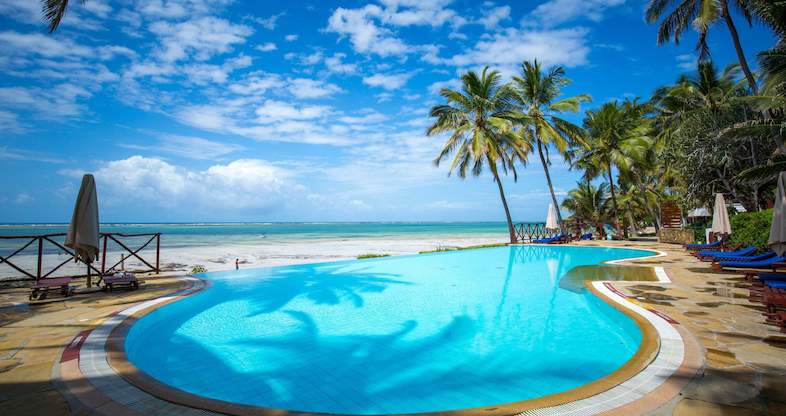
Mombasa, a vibrant coastal city in Kenya, boasts a collection of stunning beaches that draw in travellers with their pristine shores and crystalline waters. There is nothing quite like sipping on a cocktail at one of the many beach bars and relishing the gorgeous white coastline.
Mombasa and the surrounding area have over 500 km of sandy beaches as well as idyllic remote islands that will feel like your own slice of paradise. In this article, we highlight 7 of the best beaches in and around Mombasa that are perfect for a coastal escape. Whether you’re seeking relaxation, a couples hideaway or heart-pounding watersports, Mombasa’s beaches offer a diverse range of options.
Mombasa, a coastal city in Kenya, can be reached by various modes of transportation including air, road, and rail. Here’s how to get to Mombasa:
By Air:
- Mombasa is served by Moi International Airport (MBA), which is located about 10 kilometers (6 miles) west of the city center. The airport handles both domestic and international flights.
- Visitors can fly to Moi International Airport from major cities within Kenya, such as Nairobi, Kisumu, and Eldoret, as well as from international destinations including Nairobi, Addis Ababa, Dubai, and Istanbul.
- From the airport, travelers can take taxis, shuttle services, or rental cars to reach their accommodations or other destinations in Mombasa.
By Road:
- Mombasa is well-connected to other major cities and towns in Kenya via a network of highways and roads. The most common route is from Nairobi to Mombasa, which is approximately 500 kilometers (310 miles) and takes about 8 to 10 hours by road, depending on traffic and road conditions.
- Visitors can drive to Mombasa using their own vehicles or hire private taxis or shuttle services. There are also bus companies that operate regular services between Nairobi and Mombasa, with options ranging from standard to luxury coaches.
By Rail:
- The Kenya Railways Corporation operates a passenger train service known as the Madaraka Express between Nairobi and Mombasa. The train journey takes about 4 to 5 hours, with departures from Nairobi’s Syokimau Station and arrivals at Mombasa’s Miritini Station.
- The Madaraka Express offers two classes of service: the Express (economy) and the First Class (premium). Tickets can be purchased online in advance or at the stations on the day of travel.
By Ferry:
- For travelers coming from the south coast of Mombasa (e.g., Diani Beach, Ukunda), there are ferry services available to cross the Likoni Channel, which separates Mombasa Island from the mainland.
- The Likoni Ferry operates regular crossings between Mombasa Island and the mainland, providing a convenient transportation option for both pedestrians and vehicles.
Mombasa, Kenya’s second-largest city and a major coastal destination, offers a rich tapestry of attractions that blend history, culture, and natural beauty. Here are some of the top attractions in Mombasa:
Fort Jesus: A UNESCO World Heritage Site, Fort Jesus is a 16th-century Portuguese fortress located along Mombasa’s coastline. This historic landmark offers insight into Mombasa’s colonial past and features a museum with exhibits on the region’s history and archaeology.
Old Town: Mombasa’s Old Town is a vibrant and atmospheric neighborhood characterized by narrow streets, Swahili architecture, and bustling markets. Visitors can explore historic buildings, mosques, and shops selling local crafts and souvenirs.
Mombasa Marine National Park: Situated just off the coast of Mombasa, this marine park is renowned for its coral reefs, colorful fish, and other marine life. Visitors can enjoy snorkeling, diving, glass-bottom boat rides, and beach picnics while admiring the park’s biodiversity.
Nyali Beach: One of Mombasa’s most popular beaches, Nyali Beach boasts soft white sands, palm-fringed shores, and a range of water sports and beach activities. Visitors can swim, sunbathe, and enjoy beachfront restaurants and bars.
Haller Park: Formerly known as Bamburi Nature Trail, Haller Park is a wildlife sanctuary located north of Mombasa. The park features a variety of animals, including giraffes, hippos, antelopes, and reptiles, as well as botanical gardens and nature trails.
Mombasa Tusks: The Mombasa Tusks are iconic landmarks located near the entrance to Mombasa’s Old Town. These giant elephant tusks, made of aluminum, symbolize Mombasa’s importance as a gateway city.
Mamba Village Centre: This crocodile farm and nature park is home to numerous Nile crocodiles, as well as other animals such as ostriches, tortoises, and snakes. Visitors can watch crocodile feeding sessions, explore botanical gardens, and enjoy boat rides on the lake.
Mombasa Go-Kart: Located in Nyali, Mombasa Go-Kart offers adrenaline-pumping go-kart racing for both adults and children. The facility features a professionally designed track and is a popular attraction for families and thrill-seekers.
Jumba la Mtwana: This archaeological site, located near Mtwapa Creek, contains the ruins of an ancient Swahili settlement dating back to the 14th century. Visitors can explore the remains of mosques, tombs, and houses while learning about the area’s history.
Bombolulu Workshops and Cultural Centre: This handicrafts center showcases traditional Kenyan crafts, including jewelry, textiles, and woodcarvings. Visitors can watch artisans at work, purchase locally made souvenirs, and learn about Kenya’s diverse cultural heritage.
Here are some of the top beaches in Mombasa:
Diani Beach: Often hailed as one of the best beaches in Africa, Diani Beach is famous for its powdery white sands, clear turquoise waters, and swaying palm trees. It offers a range of water sports, including snorkeling, diving, kite surfing, and jet skiing. Visitors can also relax at beachfront resorts, enjoy beach bars and restaurants, and take camel rides along the coast.
Nyali Beach: Located north of Mombasa, Nyali Beach is a popular spot for sunbathing, swimming, and beachfront activities. It features soft golden sands, gentle waves, and a lively atmosphere with beach bars, water sports facilities, and beach volleyball courts.
Bamburi Beach: Adjacent to Nyali Beach, Bamburi Beach is known for its long stretch of sandy shoreline and shallow waters, making it ideal for swimming and family-friendly activities. Visitors can enjoy sunbathing, beach picnics, and horseback riding along the coast.
Tiwi Beach: Situated south of Diani Beach, Tiwi Beach offers a tranquil and secluded setting away from the crowds. It boasts pristine sands, clear waters, and lush coastal vegetation, making it perfect for relaxation and romantic getaways. Visitors can swim, snorkel, or simply unwind under the shade of palm trees.
Shanzu Beach: Shanzu Beach is a picturesque stretch of coastline with soft sands and calm waters, ideal for swimming and sunbathing. It offers a laid-back atmosphere with beachfront resorts, restaurants, and water sports activities such as jet skiing and banana boat rides.
Kikambala Beach: Kikambala Beach is known for its natural beauty and peaceful ambiance, offering a serene setting for relaxation and leisurely walks along the shoreline. Visitors can enjoy swimming, beachcombing, and watching traditional dhows sail by on the horizon.
Voyager Beach Resort Beach: Located along Nyali Beach, Voyager Beach Resort offers a private stretch of beachfront where guests can enjoy sunbathing, swimming, and beach volleyball. The resort also organizes water sports activities, beach games, and cultural performances for guests’ entertainment.
The north coast of Mombasa is known for its beautiful beaches and luxurious resorts. Here are some of the best beach resorts in Mombasa’s north coast:
Sarova Whitesands Beach Resort & Spa: Situated on Bamburi Beach, this family-friendly resort offers spacious accommodations, multiple swimming pools, water sports, kids’ clubs, and a variety of dining options.
Voyager Beach Resort: Located on Nyali Beach, Voyager Beach Resort features vibrant-themed dinners, live entertainment, water sports activities, kids’ clubs, and several swimming pools.
Sun Africa Beach Resort: Positioned on Bamburi Beach, Sun Africa Beach Resort offers comfortable accommodations, beach access, swimming pools, and dining options overlooking the Indian Ocean.
PrideInn Paradise Beach Resort: Situated on Shanzu Beach, PrideInn Paradise Beach Resort offers modern rooms, a water park, swimming pools, dining options, and access to a private beach.
Serena Beach Resort & Spa: Nestled on Shanzu Beach, Serena Beach Resort & Spa offers luxurious accommodations, spa facilities, beachfront dining, and access to nearby golf courses.
Nyali Sun Africa Beach Hotel & Spa: Located on Nyali Beach, this beachfront hotel offers comfortable rooms, swimming pools, spa facilities, and a variety of dining options.
Travellers Beach Hotel & Club: Positioned on Bamburi Beach, Travellers Beach Hotel & Club features spacious accommodations, swimming pools, beach access, dining options, and entertainment programs.
Reef Hotel Mombasa: Situated on Nyali Beach, Reef Hotel Mombasa offers beachfront accommodations, swimming pools, water sports activities, dining options, and entertainment programs.
Papillon Lagoon Reef Hotel: Located on Diani Beach, Papillon Lagoon Reef Hotel offers beachfront accommodations, swimming pools, water sports activities, and dining options overlooking the ocean.
Bahari Beach Hotel: Positioned on Nyali Beach, Bahari Beach Hotel offers comfortable rooms, swimming pools, beach access, dining options, and entertainment programs.
Here are some frequently asked questions (FAQs) about Mombasa:
Where is Mombasa located?
- Mombasa is a city located on the southeastern coast of Kenya, along the Indian Ocean.
What is the weather like in Mombasa?
- Mombasa has a tropical climate with high temperatures and humidity throughout the year. The hottest months are from January to March, while the wettest months are from April to June and October to November.
What language is spoken in Mombasa?
- The official languages of Kenya are Swahili and English. Swahili is widely spoken in Mombasa, along with various local dialects.
What are the main attractions in Mombasa?
- Some of the main attractions in Mombasa include Fort Jesus, Old Town, Mombasa Marine National Park, Haller Park, Nyali Beach, and Diani Beach.
How do I get to Mombasa?
- Mombasa can be reached by air, road, or rail. Moi International Airport serves as the main airport, offering domestic and international flights. Visitors can also travel to Mombasa by road from other major cities in Kenya or take the Madaraka Express train from Nairobi.
Is it safe to visit Mombasa?
- Mombasa is generally safe for tourists, but like any other destination, visitors should exercise caution and be aware of their surroundings, especially in crowded areas and at night.
What currency is used in Mombasa?
- The official currency of Kenya is the Kenyan Shilling (KES). Credit cards are widely accepted in Mombasa, especially in hotels, restaurants, and major tourist attractions.
What should I wear in Mombasa?
- Lightweight and breathable clothing is recommended due to the warm climate. Modest attire is appreciated in more conservative areas, such as religious sites and local communities.
What are the best times to visit Mombasa?
- The best time to visit Mombasa is during the dry season, from late December to March and from July to October, when the weather is sunny and rainfall is minimal.
What activities can I do in Mombasa?
- In addition to visiting historical sites and beaches, visitors to Mombasa can enjoy water sports, wildlife safaris, cultural tours, shopping at local markets, and dining on delicious Swahili cuisine.
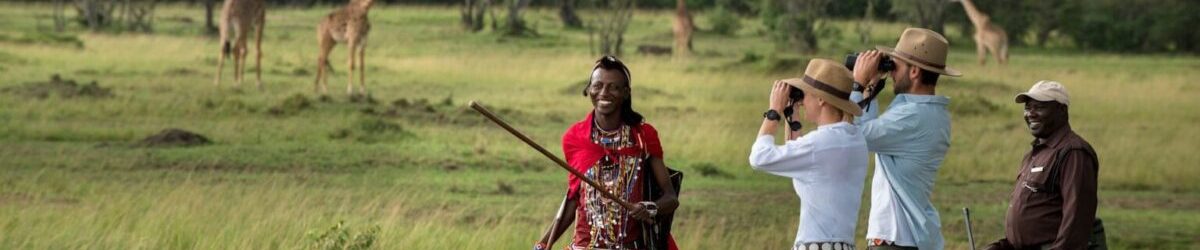
Frequently Asked Kenya Safari Questions
How do I book a safari in Kenya with Johari Africa Adventures?
Your dream safari in Kenya can be booked by contacting Johari Africa Adventures via call, WhatsApp, Email, Facebook chat, Instagram chat e.t.c. It’s advisable to research different options, compare prices and reviews, and book in advance, especially during peak tourist seasons.
Which are the top 15 safari & beach destinations in Kenya?
Kenya offers an incredible combination of world-famous safari parks and stunning tropical beaches, making it one of Africa’s premier holiday destinations. Top safari and beach destinations include Masai Mara National Reserve, renowned for the Great Migration and exceptional wildlife viewing; Amboseli National Park, famous for elephant herds and views of Mount Kilimanjaro; Tsavo East National Park and Tsavo West National Park, Kenya’s largest wilderness areas; Lake Nakuru National Park, known for rhinos and birdlife; Samburu National Reserve, home to unique northern wildlife species; Ol Pejeta Conservancy and Laikipia Plateau for luxury conservation safaris; Aberdare National Park and Mount Kenya National Park for scenic landscapes and adventure. Along the coast, visitors can relax on the white-sand beaches of Diani Beach, Watamu, Malindi, Nyali Beach, and Bamburi Beach, while exploring the rich Swahili culture and marine life around Lamu Island. Together, these destinations showcase the very best of Kenya’s wildlife, landscapes, culture, and coastal beauty.
Is it possible to combine safari in Kenya with a Tanzania safari & Zanzibar beach vacation?
Johari Africa Adventures seamlessly designs and operates cross-border journeys that combine the very best of East Africa, allowing you to experience an unforgettable Kenya safari alongside an equally spectacular Tanzania safari and/or a relaxing Zanzibar beach escape. From the Great Migration in the Masai Mara and Serengeti to the pristine white sands and turquoise waters of Zanzibar, every itinerary is carefully coordinated for smooth border crossings, well-timed connections, and exceptional comfort. With expert planning and experienced driver-guides, guests enjoy a single, well-organized journey that blends wildlife, culture, and beach relaxation into one extraordinary East African adventure.
Do I need a visa to visit Kenya for a safari?
Yes, most visitors to Kenya require a visa / Electronic Travel Authorization. It’s recommended to check the visa requirements for your country of citizenship before traveling. Check more here https://johariafricaadventures.com/kenya-evisa-requirements-and-fees/
When is the best time to go on a safari in Kenya?
The best time for a safari in Kenya is during the dry season, which typically runs from June to October. This period offers excellent wildlife viewing opportunities as animals gather around water sources.
What should I pack for an African safari?
Essential items to pack for a safari include lightweight clothing, a hat, sunscreen, insect repellent, binoculars, camera with extra batteries, and sturdy walking shoes.
Is it safe to go on safari in Kenya?
Yes, Kenya is generally safe for safaris, but it’s important to follow the advice of your safari guide and adhere to park regulations for a safe and enjoyable experience.
-friendly campsites and guesthouses.
Do I need vaccinations before going on safari in Kenya?
It’s recommended to consult with a healthcare professional or travel clinic for advice on necessary vaccinations and health precautions before traveling to Kenya for a safari.
Can I go on safari with children?
Yes, many safari lodges and camps in Kenya welcome families with children and offer child-friendly activities and accommodations. However, it’s important to check age restrictions and safety guidelines with individual lodges or tour operators.
Which are the Big Five animals of Africa?
The Big Five refers to the five most sought-after and iconic African wildlife species: lion, elephant, buffalo, leopard, and rhinoceros.
What activities can I do on safari besides game drives?
In addition to game drives, safari activities may include guided nature walks, birdwatching, hot air balloon safaris, cultural visits to local communities, and visits to conservation projects or wildlife sanctuaries.
What animals can I expect to see on safari in Kenya?
Kenya is home to a diverse array of wildlife, including the Big Five (lion, elephant, buffalo, leopard, rhinoceros), giraffe, zebra, wildebeest, cheetah, hyena, and various antelope species.
What is a safari?
A safari is an adventure or journey, typically in Africa, to observe and photograph wildlife in their natural habitats.
What is a game drive?
A game drive is a guided excursion in a safari vehicle through a national park or wildlife reserve to observe and photograph animals.
What types of accommodations are available on safari?
Accommodation options on safari range from luxury lodges and tented camps to budget-friendly campsites and guesthouses.
What is the wildebeest migration?
The wildebeest migration is an annual natural phenomenon in which millions of wildebeest, accompanied by zebras and other herbivores, migrate in search of greener pastures between the Serengeti National Park in Tanzania and the Masai Mara National Reserve in Kenya.
What is the difference between a national park and a conservancy?
National parks are government-managed protected areas set aside for conservation and wildlife viewing, while conservancies are privately owned or community-owned areas managed for conservation and sustainable tourism.
What is the weather like on safari in Kenya?
The weather on safari in Kenya can vary depending on the time of year and location. Generally, Kenya experiences a dry season from June to October and a wet season from November to May, with temperatures ranging from mild to hot.
What is the duration of a typical safari?
The duration of a safari can vary depending on individual preferences and itinerary. Safaris may range from a single-day excursion to multi-day tours lasting several days or weeks.
What currency is used in Kenya, and can I use credit cards on safari?
The currency used in Kenya is the Kenyan Shilling (KES). While major credit cards are accepted at many lodges, camps, and larger establishments, it’s advisable to carry some cash for purchases at smaller shops or markets.
Can I see Mount Kilimanjaro from Kenya on safari?
Yes, on clear days, Mount Kilimanjaro, Africa’s tallest peak, can be visible from certain areas in Kenya, such as Amboseli National Park.
What should I do if I encounter a wild animal on safari?
If you encounter a wild animal on safari, it’s important to remain calm, keep a safe distance, and follow the instructions of your safari guide. Avoid making sudden movements or loud noises that may startle the animal, and never attempt to approach or feed wild animals.
Customize your dream trip:
Just tell us your dates, number of travelers, budget & wishes. We shall create a memorable safari for you.