East Africa safari tours with johari Africa Adventures
Tailor-made, Affordable & Memorable Africa safari holidays in Kenya, Tanzania, Zanzibar, Uganda & Rwanda
East Africa is renowned for its diverse and breathtaking safari destinations, each offering unique wildlife experiences and stunning landscapes. Here are some of the best safari destinations in East Africa:
These wildlife parks, reserves, wildlife conservancies and beach destinations offer exceptional opportunities for wildlife viewing and conservation efforts, making them must-visit destinations for any safari enthusiast visiting Kenya.
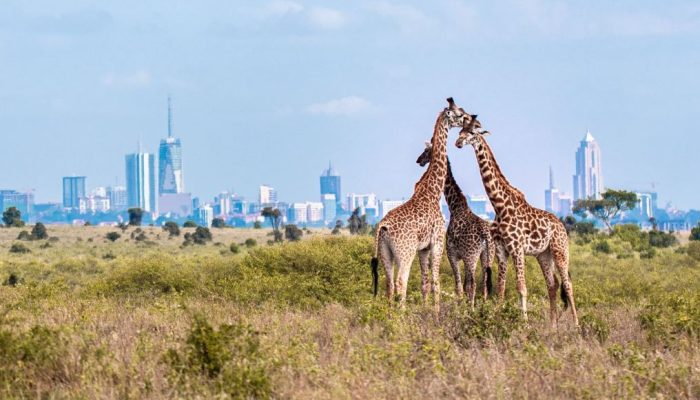
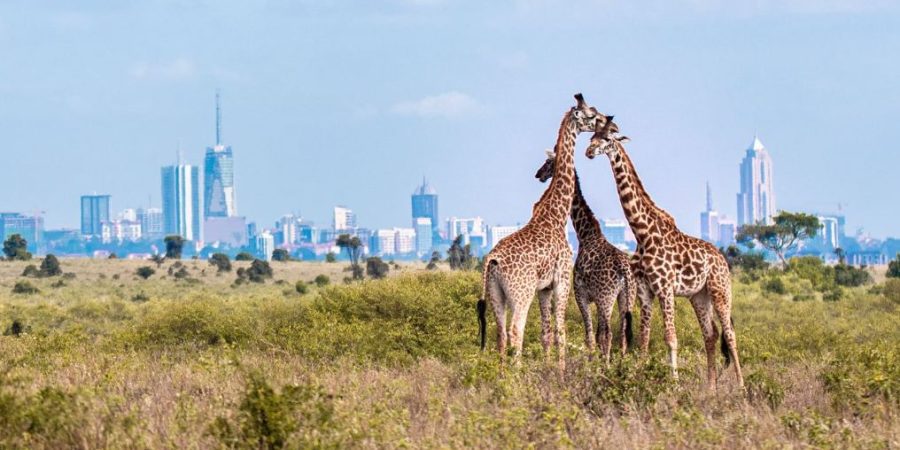
Visit: Nairobi National Park (World’s only wildlife park in a city)
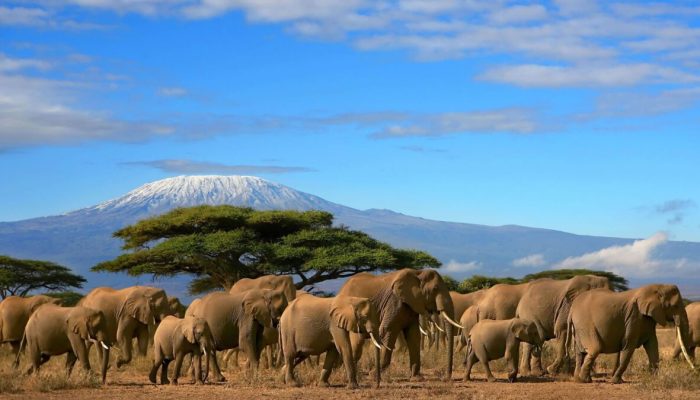
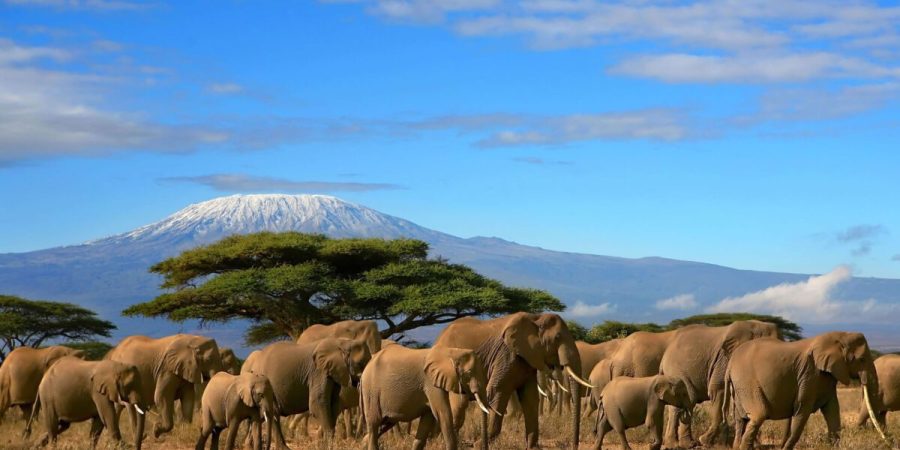
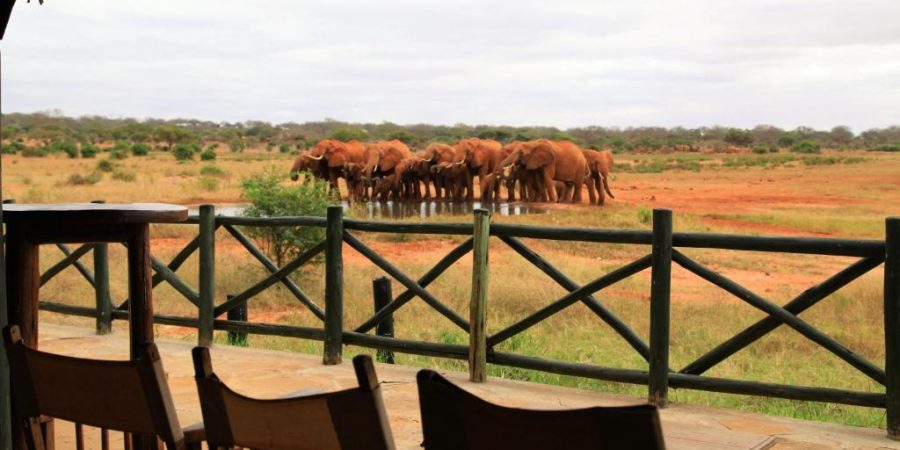
Visit: Amboseli National Park (Large herds of elephants & views of Mount Kilimanjaro)
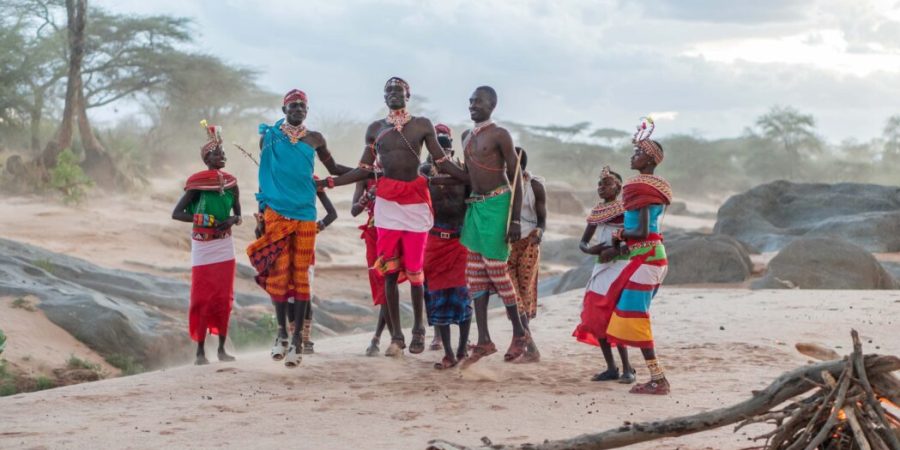
Visit: Mara Mara Reserve , Amboseli & Serengeti (booked as a safari extra activity)
Visit: Amboseli National park, Mara Mara Reserve & Serengeti National Park (booked as a safari extra activity)
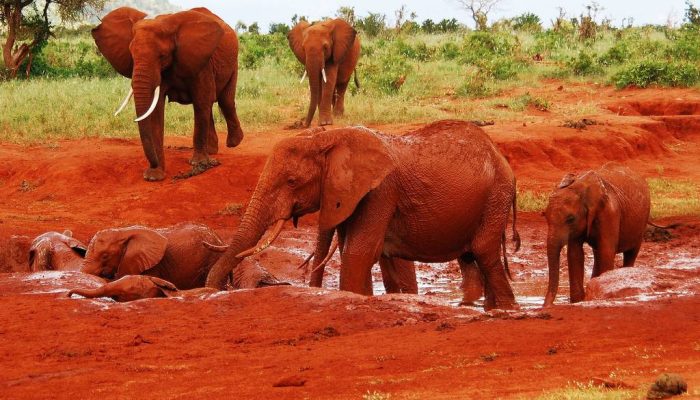
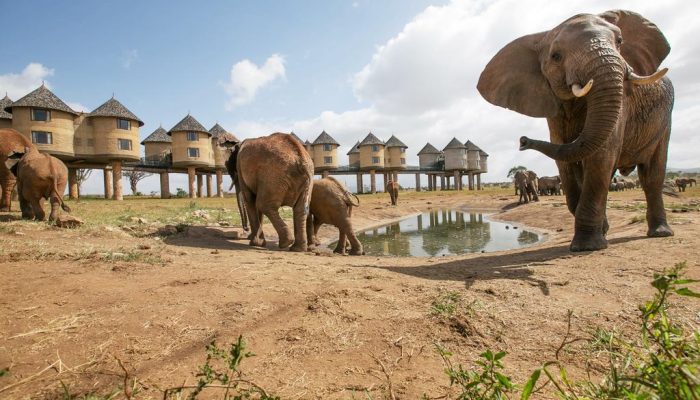
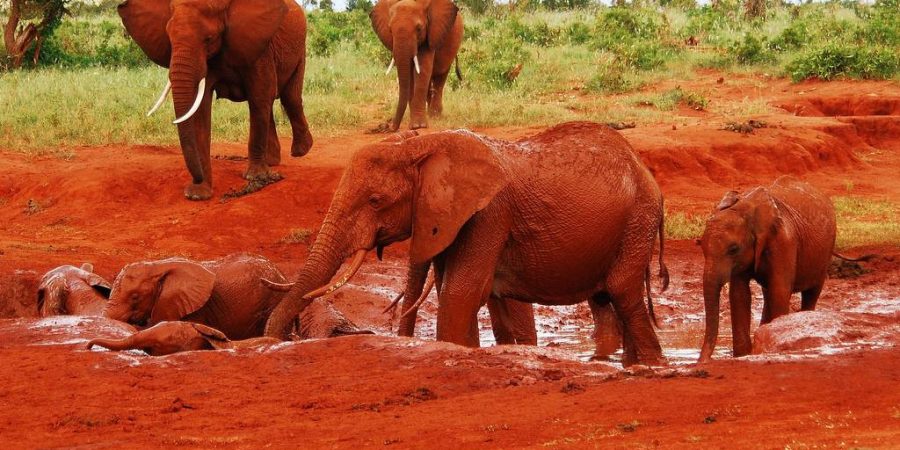
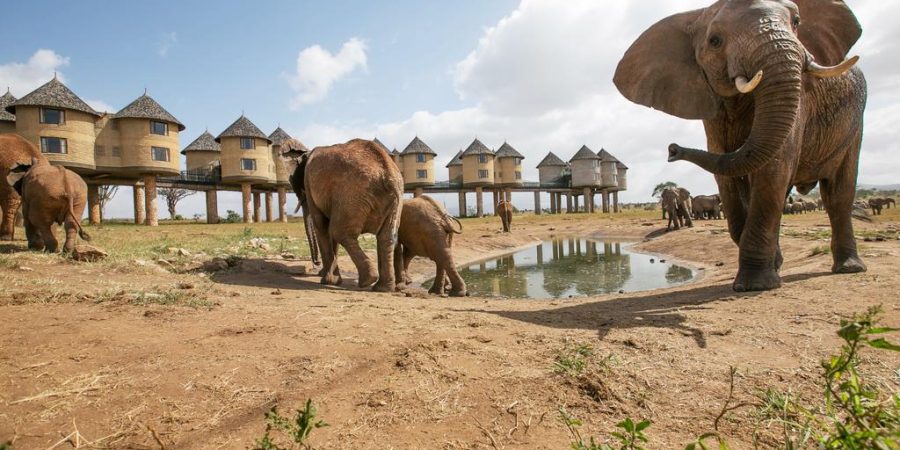
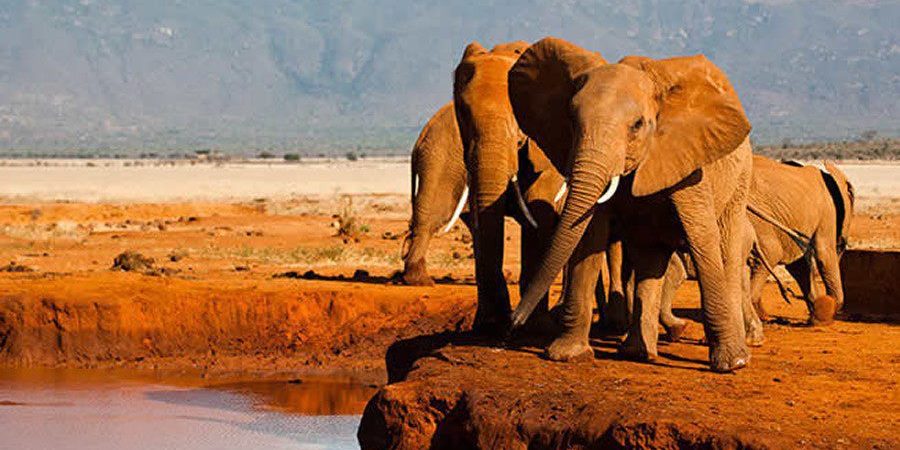
Visit: Tsavo East National Park (Home of ‘Red elephants’)
Visit: Ngutuni Sanctuary and Taita Hills Sanctuary.
Tanzania is renowned for its spectacular wildlife and diverse landscapes, making it a top destination for safari enthusiasts.
These safari destinations in Tanzania offer a wide range of experiences, from classic game drives in iconic national parks to off-the-beaten-path adventures in remote reserves. Whether you’re seeking the thrill of the Great Migration or the tranquility of a boat safari along a scenic river, Tanzania has something to offer for every safari enthusiast.

Serengeti National Park
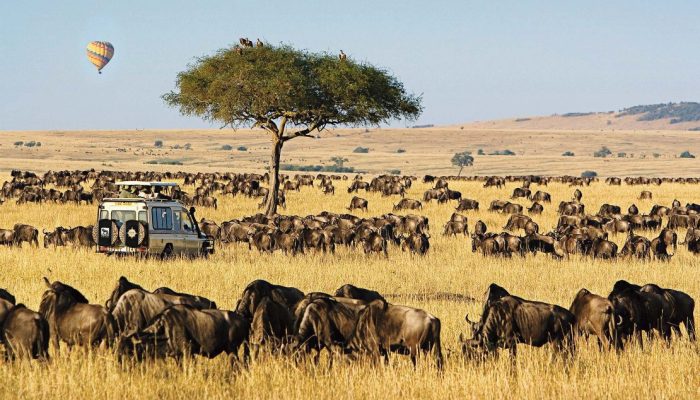
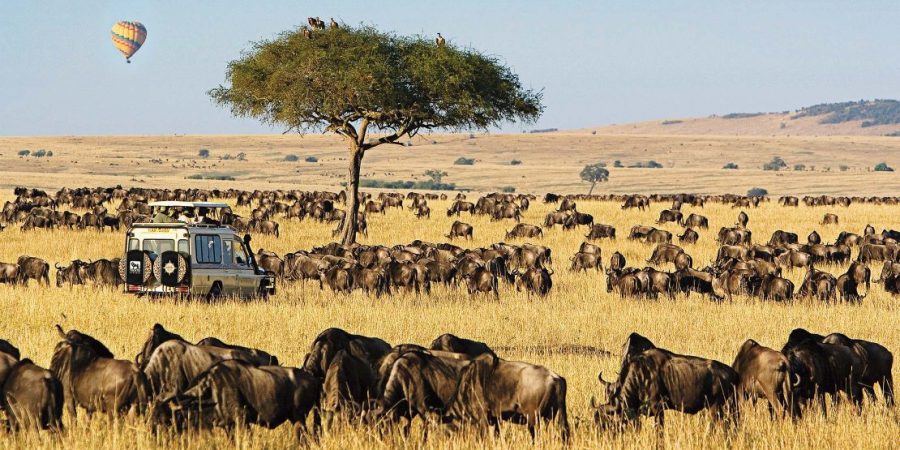
One of Africa's most famous safari destinations, the Serengeti is renowned for its vast savannah plains, annual Great Migration of wildebeest and zebras, and abundant predators such as lions, cheetahs, and leopards. It offers unparalleled wildlife viewing throughout the year.

Ngorongoro Conservation Area
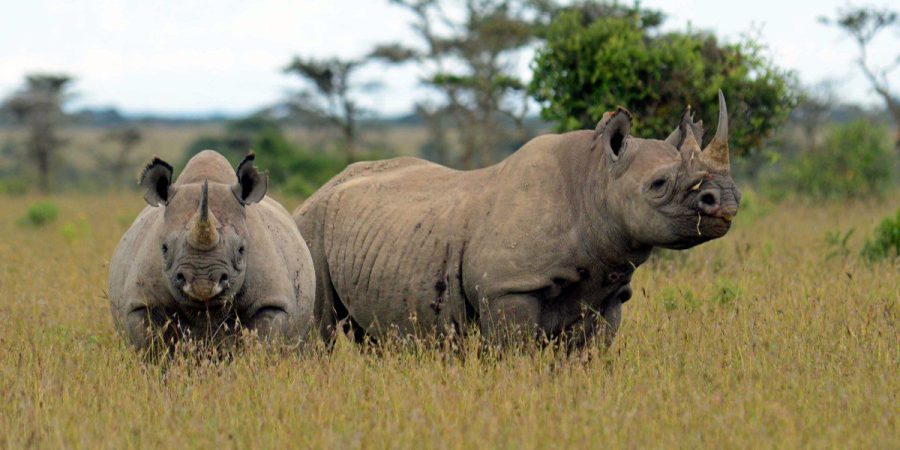
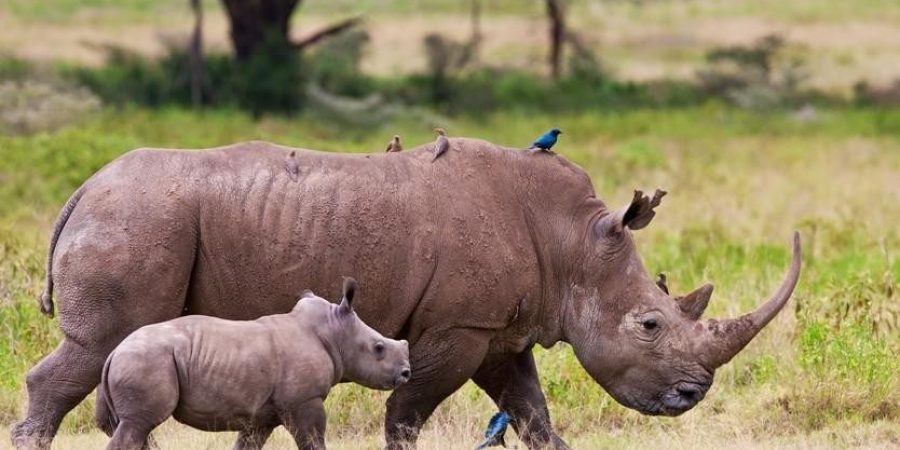
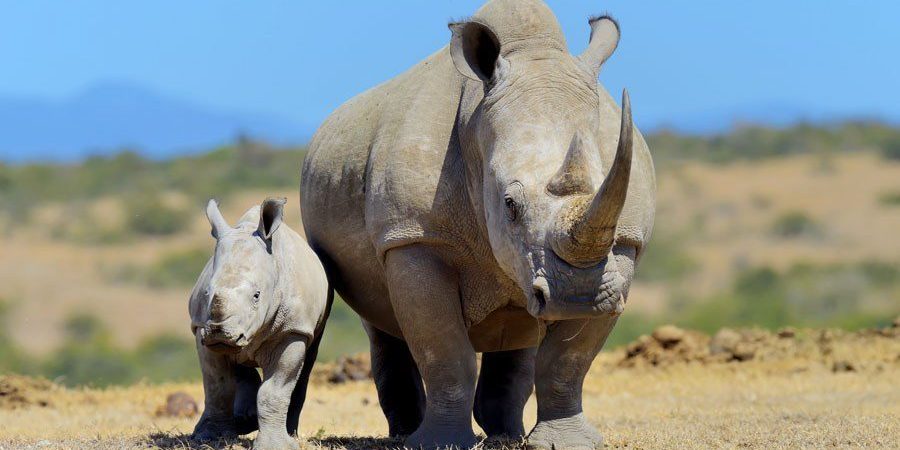
Home to the Ngorongoro Crater, a UNESCO World Heritage Site and the world's largest intact caldera. The crater's unique ecosystem supports a high density of wildlife, including the Big Five (lion, elephant, buffalo, rhino, leopard), as well as rare species such as the black rhino.

Lake Manyara National Park
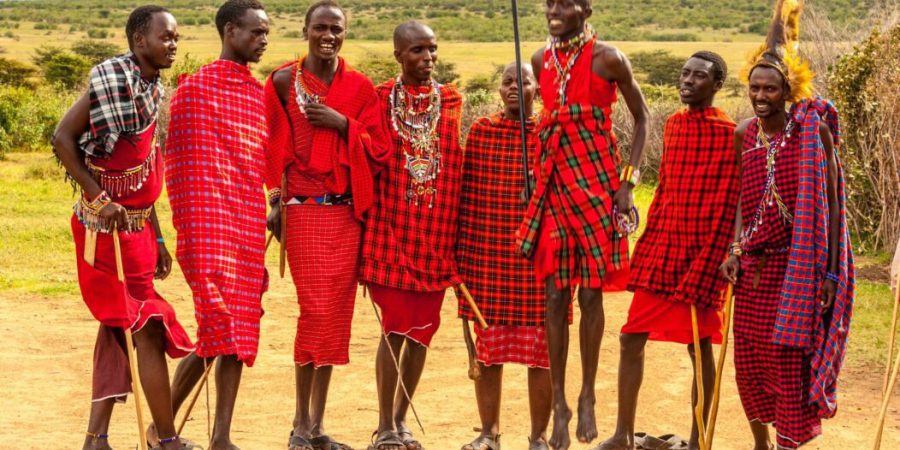
Famous for its tree-climbing lions, Lake Manyara is a compact park with diverse habitats including woodlands, grasslands, and alkaline lakes. Visitors can enjoy game drives, birdwatching, and cultural experiences with the local Maasai people.

Tarangire National Park
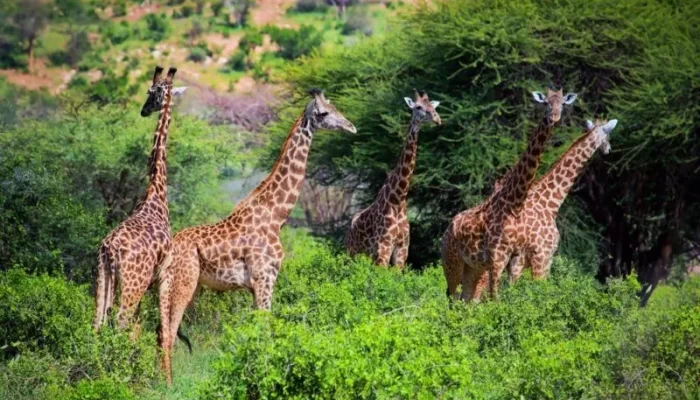
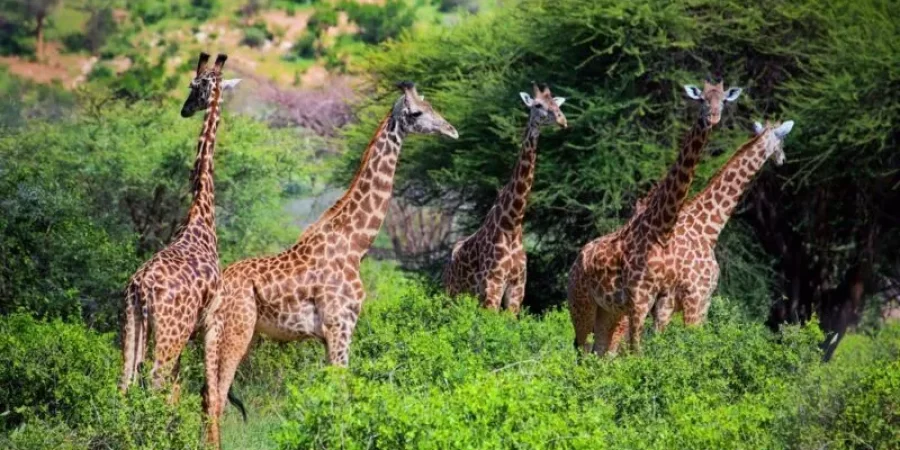
Known for its large elephant herds and iconic baobab trees, Tarangire offers excellent game viewing opportunities, particularly during the dry season when animals congregate around the Tarangire River. The park is also home to lions, leopards, giraffes, and diverse birdlife.

Selous Game Reserve:
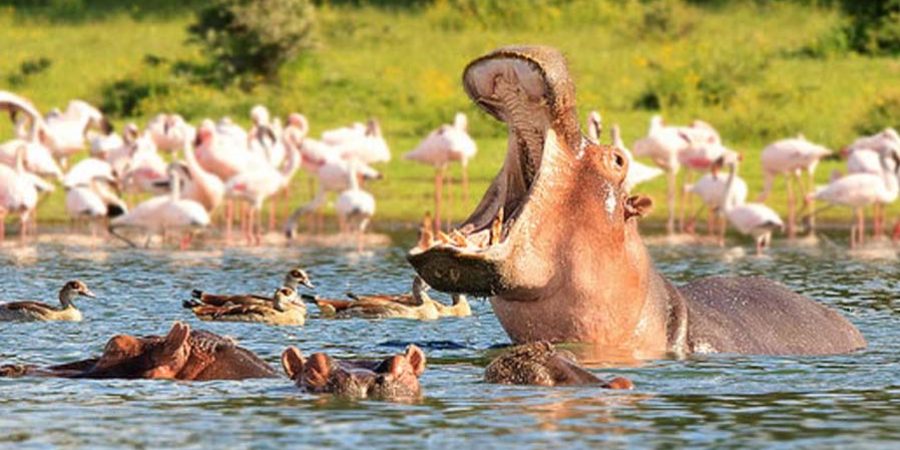
One of Africa's largest protected areas, Selous is a wilderness gem with diverse habitats including grasslands, woodlands, rivers, and lakes. Visitors can enjoy boat safaris, walking safaris, and traditional game drives to see elephants, hippos, crocodiles, and a variety of bird species.

Ruaha National Park
Tanzania's largest national park, Ruaha is known for its rugged landscapes, remote wilderness, and rich biodiversity. It offers excellent opportunities to see predators such as lions, leopards, and cheetahs, as well as large herds of elephants and buffalo.

Katavi National Park
One of Tanzania's best-kept secrets, Katavi is a remote and pristine wilderness with vast floodplains, dense woodlands, and seasonal lakes. It offers superb game viewing opportunities, especially during the dry season when large herds of buffalo, elephants, and hippos gather around the remaining water sources.

Mahale Mountains National Park
Located on the shores of Lake Tanganyika, Mahale Mountains is home to one of Africa's last remaining populations of wild chimpanzees. Visitors can trek through lush forests to observe these incredible primates in their natural habitat, as well as enjoy hiking, birdwatching, and swimming in the lake.

Mount Kilimanjaro National Park
Mount Kilimanjaro: As the tallest mountain in Africa and the highest free-standing mountain in the world, Mount Kilimanjaro is a bucket-list destination for many climbers and adventurers. Its snow-capped peak rises to an elevation of 5,895 meters (19,341 feet) above sea level. Kilimanjaro offers several trekking routes, each with its own unique scenery and challenges, making it accessible to climbers of varying skill levels.

Mount Ol Doinyo Lengai
Commonly known as "The Mountain of God" in the Maasai language, Mount Ol Doinyo Lengai is an active stratovolcano located in the eastern Rift Valley of Tanzania. Standing at 2,878 meters (9,442 feet) above sea level, it is Tanzania's third-highest peak. Mount Ol Doinyo Lengai is revered by the Maasai people and offers challenging trekking experiences for adventurous travelers.

Mount Meru
Located in Arusha National Park, Mount Meru is the second-highest mountain in Tanzania, standing at 4,566 meters (14,980 feet) above sea level. Often overshadowed by its larger neighbor, Kilimanjaro, Mount Meru offers stunning views, diverse ecosystems, and excellent trekking opportunities. The ascent to the summit involves passing through lush rainforests, alpine meadows, and rocky terrain.

Zanzibar Beach
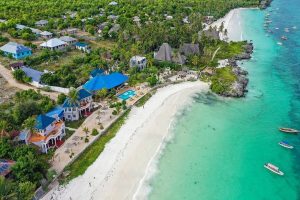
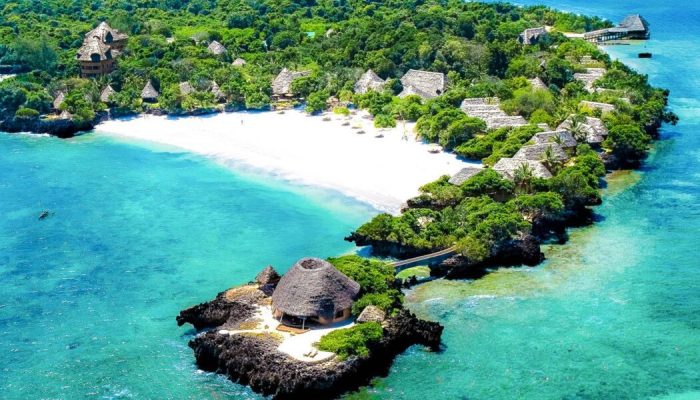
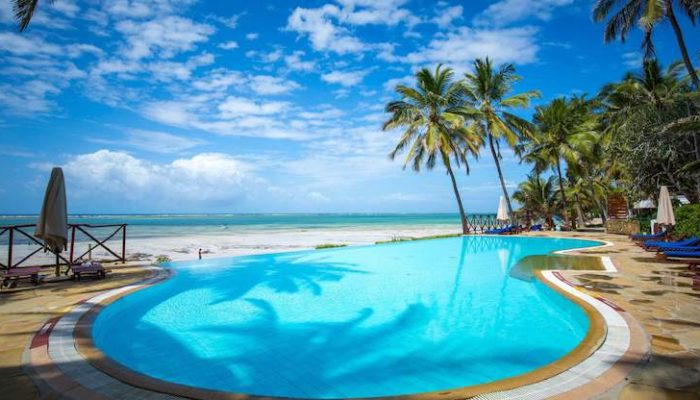
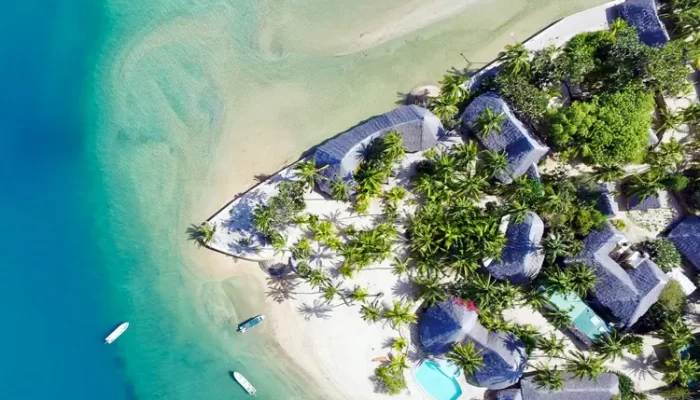
Zanzibar is perhaps the most famous beach destination in Tanzania, known for its white sandy beaches, turquoise waters, and rich cultural heritage. Visitors can explore historic Stone Town, relax on the beaches of Nungwi and Kendwa, go snorkeling or diving in the coral reefs, and enjoy water sports such as kite surfing and sailing.
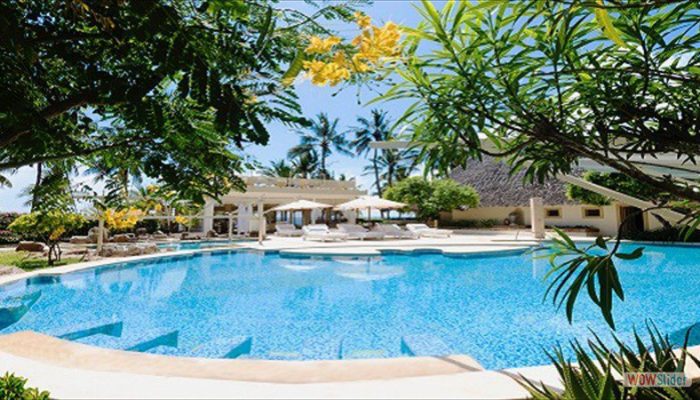
Zanzibar, an archipelago off the coast of Tanzania, boasts some of the most stunning beaches in the world. Here are some top beach destinations in Zanzibar. These beach destinations in Zanzibar offer a mix of natural beauty, relaxation, and water sports activities, making them perfect for a tropical beach vacation in East Africa.
Nungwi Beach
Located on the northern tip of Zanzibar, Nungwi Beach is famous for its pristine white sands and crystal-clear turquoise waters. It's a popular spot for swimming, sunbathing, and water sports such as snorkeling and diving.
Kendwa Beach
Adjacent to Nungwi Beach, Kendwa Beach offers similar stunning scenery but with a more laid-back and tranquil atmosphere. It's an excellent place to relax and enjoy the sunset with a refreshing drink in hand.
Paje Beach
Situated on the southeast coast of Zanzibar, Paje Beach is known for its powdery white sands and shallow waters, making it ideal for kiteboarding and windsurfing. The beach also offers stunning views of the Indian Ocean.
Matemwe Beach
Located on the northeast coast of Zanzibar, Matemwe Beach is renowned for its unspoiled beauty and peaceful ambiance. It's an excellent destination for snorkeling, diving, and exploring the nearby Mnemba Atoll Marine Park.
Kiwengwa Beach
Found on the northeast coast of Zanzibar, Kiwengwa Beach stretches for miles along the coastline, offering soft white sands and clear blue waters. It's a great spot for swimming, sunbathing, and beachcombing.
Bwejuu Beach
Situated on the southeast coast of Zanzibar, Bwejuu Beach is known for its wide stretch of powdery sands and calm waters. It's an ideal destination for relaxation and enjoying the natural beauty of Zanzibar.
Michamvi Peninsula
Located on the southeast coast of Zanzibar, Michamvi Peninsula is home to several secluded beaches, including Pingwe Beach and Kae Beach. These beaches offer privacy and tranquility, perfect for romantic getaways or peaceful retreats.
Uroa Beach
Found on the eastern coast of Zanzibar, Uroa Beach is known for its shallow waters and sandy shores, making it suitable for swimming and sunbathing. The beach is lined with palm trees and offers stunning views of the Indian Ocean.
Zanzibar, with its rich cultural heritage and stunning natural beauty, offers a variety of exciting excursions and activities for visitors to enjoy. Here are some popular excursions in Zanzibar:
Zanzibar Stone Town Tour
Explore the historic streets of Stone Town, a UNESCO World Heritage Site known for its labyrinthine alleyways, historic buildings, and bustling markets. Visit landmarks such as the Sultan's Palace, House of Wonders, and Old Fort.
Zanzibar Spice Tour
Discover Zanzibar's spice heritage with a guided tour of spice farms located in the rural areas of the island. Learn about the cultivation and uses of spices such as cloves, cinnamon, vanilla, and nutmeg, and enjoy a traditional Swahili lunch.
Prison Island Tour
Take a boat trip to Prison Island (also known as Changuu Island), located off the coast of Stone Town. Explore the island's historic prison ruins, relax on the beautiful beach, and visit the giant Aldabra tortoises that inhabit the island.
Jozani Forest Tour
Explore the lush Jozani Forest, Zanzibar's only national park, and home to the endemic Red Colobus monkeys. Take a guided nature walk through the forest, spot other wildlife such as Sykes' monkeys and bush babies, and learn about the park's conservation efforts.
Snorkeling and Diving
Discover the vibrant underwater world of Zanzibar with snorkeling and diving excursions to coral reefs teeming with marine life. Popular snorkeling and diving spots include Mnemba Atoll, Tumbatu Island, and the Menai Bay Conservation Area.
Sunset Dhow Cruise
elax on a traditional dhow (sailing boat) and enjoy a scenic sunset cruise along the coast of Zanzibar. Sip on refreshing drinks, enjoy fresh seafood snacks, and take in breathtaking views of the sunset over the Indian Ocean.
Dolphin Watching
Embark on a dolphin-watching excursion in Kizimkazi, located on the southern tip of Zanzibar. Spot bottlenose and humpback dolphins in their natural habitat and, if conditions permit, swim alongside these gentle creatures.
Spice Cooking Class
Learn to cook authentic Swahili dishes with a spice cooking class led by local chefs. Visit a local market to shop for fresh ingredients, then participate in hands-on cooking lessons to prepare traditional dishes such as pilau rice, coconut curry, and seafood delicacies.
Uganda is renowned for its exceptional gorilla tracking experiences, offering visitors the opportunity to encounter endangered mountain gorillas in their natural habitat. These safari destinations in Uganda offer diverse landscapes, abundant wildlife, and unique experiences, making them must-visit destinations for any safari enthusiast. Whether you’re seeking to encounter mountain gorillas, explore remote wilderness areas, or enjoy traditional game drives, Uganda has something to offer for every traveler.
Here are some of the best safari destinations in Uganda:

Bwindi Impenetrable National Park
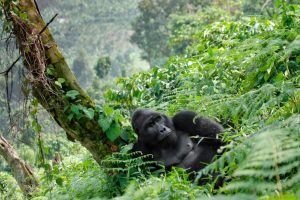
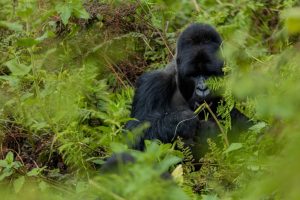
Renowned for its population of endangered mountain gorillas, Bwindi is a UNESCO World Heritage Site and one of the best places in the world for gorilla trekking. Visitors can hike through dense forests to observe these incredible primates in their natural habitat.

Queen Elizabeth National Park
This diverse park encompasses savannah plains, wetlands, forests, and lakes, including the famous Kazinga Channel, where visitors can take boat safaris to see hippos, crocodiles, and numerous bird species. Queen Elizabeth is also home to elephants, lions, leopards, and chimpanzees.

Murchison Falls National Park
Named after the dramatic Murchison Falls, where the Nile River squeezes through a narrow gorge before plunging into a pool below. The park is home to a variety of wildlife, including elephants, giraffes, buffalo, and numerous bird species. Visitors can enjoy game drives, boat safaris, and hikes to the top of the falls.

Kidepo Valley National Park
Located in Uganda's remote northeastern corner, Kidepo Valley is one of Africa's most pristine wilderness areas. It offers spectacular scenery, diverse wildlife, and cultural experiences with the local Karamojong people. Visitors can see elephants, lions, cheetahs, and giraffes, among other species.

Semuliki National Park
Known for its unique wildlife and birdlife, Semuliki is a biodiversity hotspot with lush tropical forests, hot springs, and swamp habitats. Visitors can see rare species such as the Semliki harrier and the shoebill stork, as well as enjoy nature walks, birdwatching, and cultural encounters with the local Batwa people.

Kibale National Park
Famous for its population of habituated chimpanzees, Kibale is one of the best places in Africa for chimpanzee trekking. The park is also home to 12 other primate species, including the red colobus monkey and the L'Hoest's monkey. Visitors can enjoy guided forest walks, birdwatching, and cultural experiences with the local communities.

Lake Mburo National Park
Located in the heart of Uganda, Lake Mburo is known for its scenic landscapes, acacia woodlands, and wetlands. The park is home to a variety of wildlife, including zebras, impalas, hippos, and crocodiles. Visitors can enjoy game drives, boat safaris, and horseback riding.

Entebbe City
Situated on the shores of Lake Victoria, Entebbe is a picturesque city known for its colonial architecture, botanical gardens, and wildlife attractions. It is home to Uganda's main international airport, Entebbe International Airport, making it a common entry point for travelers. Entebbe is also famous for the Uganda Wildlife Education Centre (UWEC), where visitors can see a variety of rescued and rehabilitated animals.
Rwanda is renowned for its exceptional gorilla trekking experiences, offering visitors the opportunity to encounter endangered mountain gorillas in their natural habitat.
When planning a gorilla trekking experience in Rwanda, it’s essential to obtain a permit in advance, as permits are limited and often sell out quickly, especially during peak seasons. Additionally, visitors should be prepared for a challenging trek through dense forest terrain and variable weather conditions, so it’s advisable to wear appropriate clothing and footwear and be in good physical condition.
Rwanda’s gorilla trekking experiences offer a once-in-a-lifetime opportunity to observe these magnificent primates up close in their natural habitat, providing a memorable and enriching wildlife encounter for visitors.
Here are the main gorilla trekking destinations in Rwanda:

Volcanoes National Park
This iconic park is home to the endangered mountain gorillas, made famous by Dian Fossey's work and the film "Gorillas in the Mist." Visitors can trek through the dense bamboo forests to observe these majestic primates in their natural habitat. Volcanoes National Park also offers opportunities to trek golden monkeys and hike to the summits of several volcanoes.

Nyungwe Forest National Park
One of the oldest and most biodiverse rainforests in Africa, Nyungwe is home to 13 primate species, including chimpanzees, colobus monkeys, and mangabeys. Visitors can trek through the forest to track chimpanzees and other primates, as well as enjoy birdwatching, canopy walks, and cultural experiences with the local communities.

Akagera National Park
Located in eastern Rwanda, Akagera is the country's only savannah national park and offers a more traditional safari experience. Visitors can see a variety of wildlife, including elephants, buffaloes, giraffes, zebras, antelopes, and predators such as lions, leopards, and hyenas. Boat safaris on Lake Ihema provide opportunities to see hippos, crocodiles, and water birds.

Gishwati-Mukura National Park
This newly established national park is known for its lush forests, waterfalls, and diverse wildlife. It is home to chimpanzees, golden monkeys, and other primates, as well as numerous bird species. Gishwati-Mukura offers opportunities for primate trekking, birdwatching, and nature walks.
Frequently Asked Kenya Safari Questions
How do I book a safari in Kenya with Johari Africa Adventures?
Your dream safari in Kenya can be booked by contacting Johari Africa Adventures via call, WhatsApp, Email, Facebook chat, Instagram chat e.t.c. It’s advisable to research different options, compare prices and reviews, and book in advance, especially during peak tourist seasons.
Which are the top 15 safari & beach destinations in Kenya?
Kenya offers an incredible combination of world-famous safari parks and stunning tropical beaches, making it one of Africa’s premier holiday destinations. Top safari and beach destinations include Masai Mara National Reserve, renowned for the Great Migration and exceptional wildlife viewing; Amboseli National Park, famous for elephant herds and views of Mount Kilimanjaro; Tsavo East National Park and Tsavo West National Park, Kenya’s largest wilderness areas; Lake Nakuru National Park, known for rhinos and birdlife; Samburu National Reserve, home to unique northern wildlife species; Ol Pejeta Conservancy and Laikipia Plateau for luxury conservation safaris; Aberdare National Park and Mount Kenya National Park for scenic landscapes and adventure. Along the coast, visitors can relax on the white-sand beaches of Diani Beach, Watamu, Malindi, Nyali Beach, and Bamburi Beach, while exploring the rich Swahili culture and marine life around Lamu Island. Together, these destinations showcase the very best of Kenya’s wildlife, landscapes, culture, and coastal beauty.
Is it possible to combine safari in Kenya with a Tanzania safari & Zanzibar beach vacation?
Johari Africa Adventures seamlessly designs and operates cross-border journeys that combine the very best of East Africa, allowing you to experience an unforgettable Kenya safari alongside an equally spectacular Tanzania safari and/or a relaxing Zanzibar beach escape. From the Great Migration in the Masai Mara and Serengeti to the pristine white sands and turquoise waters of Zanzibar, every itinerary is carefully coordinated for smooth border crossings, well-timed connections, and exceptional comfort. With expert planning and experienced driver-guides, guests enjoy a single, well-organized journey that blends wildlife, culture, and beach relaxation into one extraordinary East African adventure.
Do I need a visa to visit Kenya for a safari?
Yes, most visitors to Kenya require a visa / Electronic Travel Authorization. It’s recommended to check the visa requirements for your country of citizenship before traveling. Check more here https://johariafricaadventures.com/kenya-evisa-requirements-and-fees/
When is the best time to go on a safari in Kenya?
The best time for a safari in Kenya is during the dry season, which typically runs from June to October. This period offers excellent wildlife viewing opportunities as animals gather around water sources.
What should I pack for an African safari?
Essential items to pack for a safari include lightweight clothing, a hat, sunscreen, insect repellent, binoculars, camera with extra batteries, and sturdy walking shoes.
Is it safe to go on safari in Kenya?
Yes, Kenya is generally safe for safaris, but it’s important to follow the advice of your safari guide and adhere to park regulations for a safe and enjoyable experience.
-friendly campsites and guesthouses.
Do I need vaccinations before going on safari in Kenya?
It’s recommended to consult with a healthcare professional or travel clinic for advice on necessary vaccinations and health precautions before traveling to Kenya for a safari.
Can I go on safari with children?
Yes, many safari lodges and camps in Kenya welcome families with children and offer child-friendly activities and accommodations. However, it’s important to check age restrictions and safety guidelines with individual lodges or tour operators.
Which are the Big Five animals of Africa?
The Big Five refers to the five most sought-after and iconic African wildlife species: lion, elephant, buffalo, leopard, and rhinoceros.
What activities can I do on safari besides game drives?
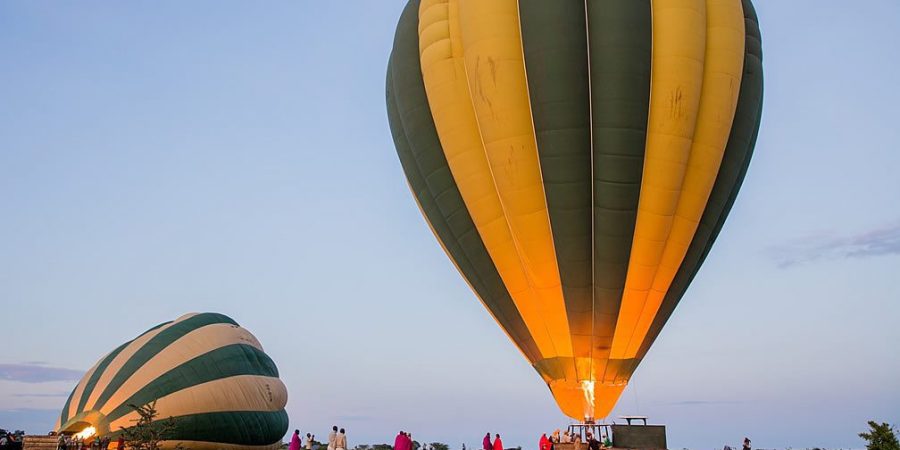
In addition to game drives, safari activities may include guided nature walks, birdwatching, hot air balloon safaris, cultural visits to local communities, and visits to conservation projects or wildlife sanctuaries.
What animals can I expect to see on safari in Kenya?
Kenya is home to a diverse array of wildlife, including the Big Five (lion, elephant, buffalo, leopard, rhinoceros), giraffe, zebra, wildebeest, cheetah, hyena, and various antelope species.
What is a safari?
A safari is an adventure or journey, typically in Africa, to observe and photograph wildlife in their natural habitats.
What is a game drive?
A game drive is a guided excursion in a safari vehicle through a national park or wildlife reserve to observe and photograph animals.
What types of accommodations are available on safari?
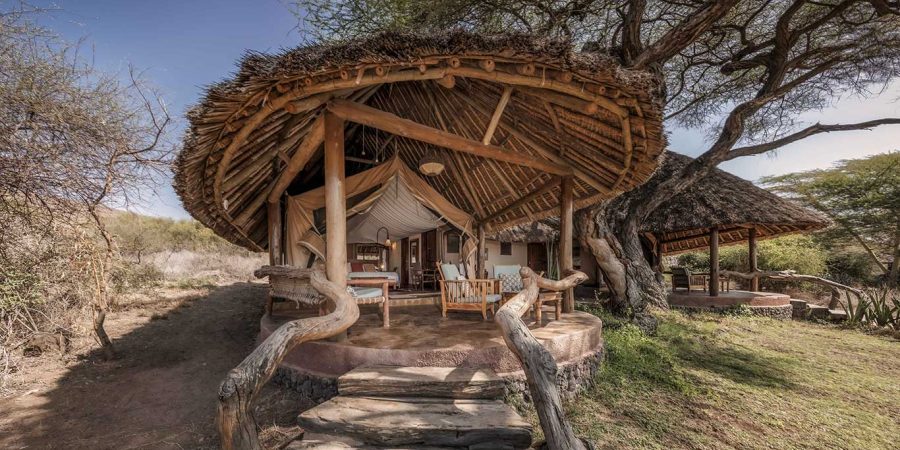
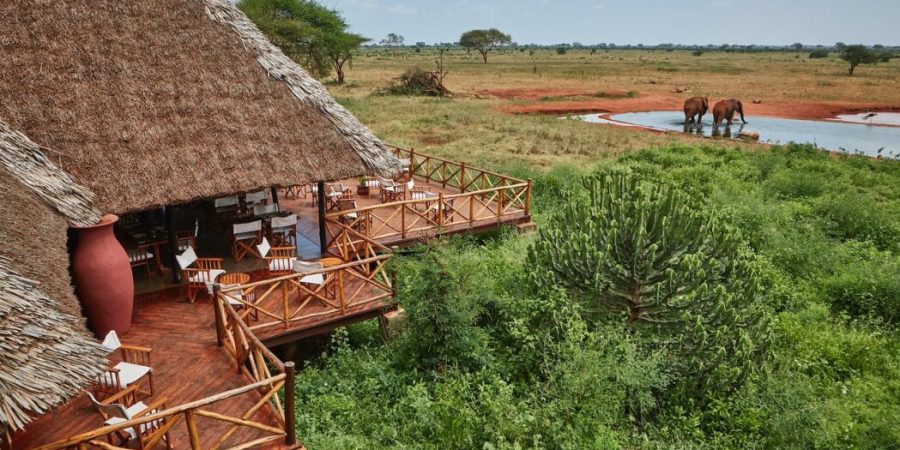
Accommodation options on safari range from luxury lodges and tented camps to budget-friendly campsites and guesthouses.
What is the wildebeest migration?
The wildebeest migration is an annual natural phenomenon in which millions of wildebeest, accompanied by zebras and other herbivores, migrate in search of greener pastures between the Serengeti National Park in Tanzania and the Masai Mara National Reserve in Kenya.
What is the difference between a national park and a conservancy?
National parks are government-managed protected areas set aside for conservation and wildlife viewing, while conservancies are privately owned or community-owned areas managed for conservation and sustainable tourism.
What is the weather like on safari in Kenya?
The weather on safari in Kenya can vary depending on the time of year and location. Generally, Kenya experiences a dry season from June to October and a wet season from November to May, with temperatures ranging from mild to hot.
What is the duration of a typical safari?
The duration of a safari can vary depending on individual preferences and itinerary. Safaris may range from a single-day excursion to multi-day tours lasting several days or weeks.
What currency is used in Kenya, and can I use credit cards on safari?
The currency used in Kenya is the Kenyan Shilling (KES). While major credit cards are accepted at many lodges, camps, and larger establishments, it’s advisable to carry some cash for purchases at smaller shops or markets.
Can I see Mount Kilimanjaro from Kenya on safari?
Yes, on clear days, Mount Kilimanjaro, Africa’s tallest peak, can be visible from certain areas in Kenya, such as Amboseli National Park.
What should I do if I encounter a wild animal on safari?
If you encounter a wild animal on safari, it’s important to remain calm, keep a safe distance, and follow the instructions of your safari guide. Avoid making sudden movements or loud noises that may startle the animal, and never attempt to approach or feed wild animals.
Customize your dream trip:
Just tell us your dates, number of travelers, budget & wishes. We shall create a memorable safari for you.