
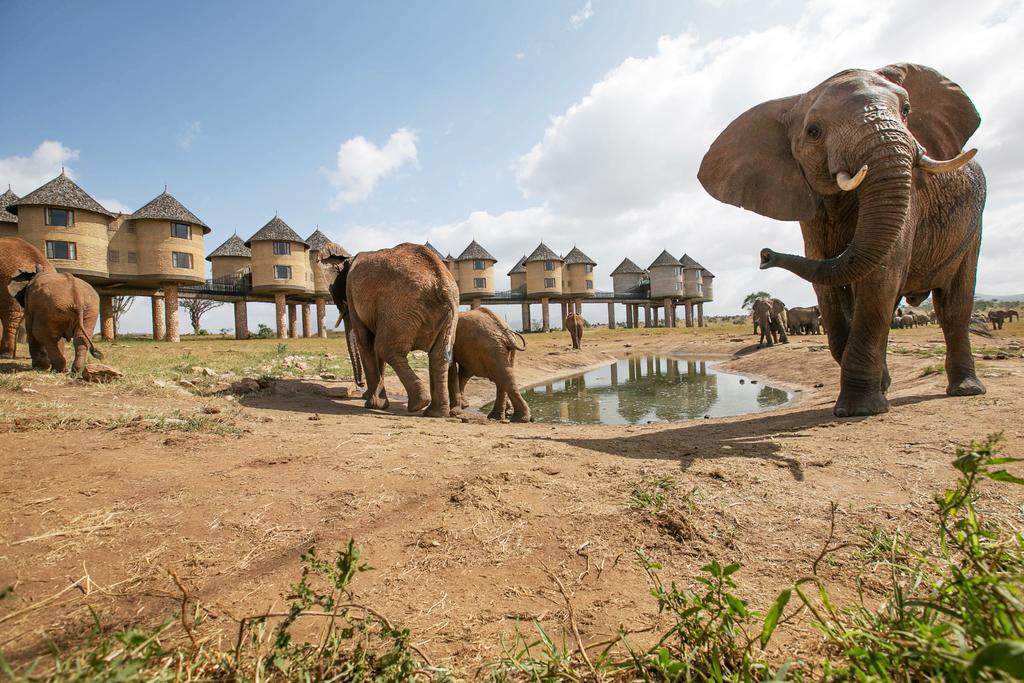
2 Days Tsavo East & Taita Hills Sanctuary Kenya Road Safari Tour from Diani and Mombasa
Please Note:
Pick up from your beach hotel/location and proceed to Mombasa via the Likoni ferry crossing.
Depart for an inland trip via the Mombasa – Nairobi highway.
Commence game viewing drives on entry at the Tsavo East National Park concentrating on the areas of the park where higher number of games are bound to be spotted.
We shall traverse the savannah plains of the Tsavo East in search of game.
Lunch break, will be in a restaurant inside the park.
During the afternoon we proceed to the scenic Taita Hill Game Sanctuary for more game viewing.
Overnight at Taita hills safari Resort or Salt Lick Safari Lodge.
Early morning game drive returning to the lodge for breakfast.
Extra game viewing drive at the Taita Hills Game Wildlife sanctuary
Later depart for Diani with lunch box.
Drop off at your beach resort at the late afternoon / early evening.
2 Days Tsavo East & Taita Hills Sanctuary Kenya Road Safari Tour from Diani and Mombasa prices (Prices are Per person sharing in USD):
No.of Pax | |
2 – 3 pax | $ 600 |
4 -5 pax | $ 480 |
6 -7 pax | $ 430 |
Please Note:
- This tour can depart from your beach resort in Diani beach and Mombasa
Trip Summary
Explore Tsavo East National Park & Taita Hills Wildlife Sanctuary from Diani beach:
Combine your tour of ‘Theatre of the Wild” – Tsavo East National Park with the privately owned Taita Hills Game Sanctuary where you will spend the night at the Salt Lick Lodge. The lodge is built around a salt lick that is regularly visited by different wildlife including large herds of elephants, buffaloes and zebras.
Safari Prices Include:
- 1 Night Full Board Accommodation
- All meals as stipulated in the program
- Vehicle park entry fees
- Service of a tour guide
- Safari vehicle with popup roof
- All park entry fees.
- Scheduled game drive
- Bottles of water during safari
- Government Taxes
- Emergency air evacuation cover
Safari Prices DO NOT include:
- Tips and gratitude
- International airfares
- Visas
- Soft drinks and local beers
- All other items of personal nature
Customize your dream trip:
Just tell us your dates, number of travelers, budget & wishes. We shall create a memorable safari for you.
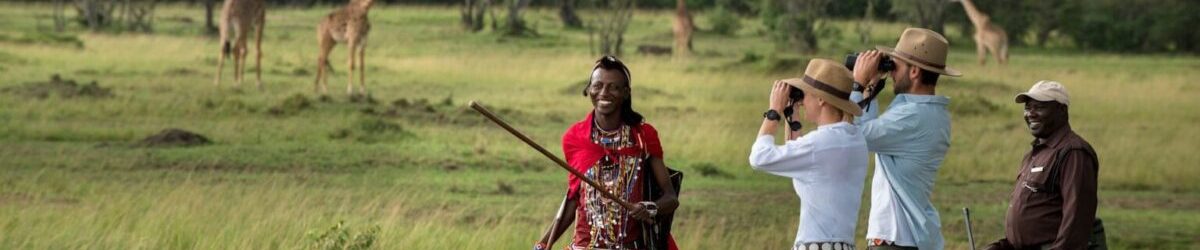
Frequently Asked Kenya Safari Questions
How do I book a safari in Kenya with Johari Africa Adventures?
Your dream safari in Kenya can be booked by contacting Johari Africa Adventures via call, WhatsApp, Email, Facebook chat, Instagram chat e.t.c. It’s advisable to research different options, compare prices and reviews, and book in advance, especially during peak tourist seasons.
Which are the top 15 safari & beach destinations in Kenya?
Kenya offers an incredible combination of world-famous safari parks and stunning tropical beaches, making it one of Africa’s premier holiday destinations. Top safari and beach destinations include Masai Mara National Reserve, renowned for the Great Migration and exceptional wildlife viewing; Amboseli National Park, famous for elephant herds and views of Mount Kilimanjaro; Tsavo East National Park and Tsavo West National Park, Kenya’s largest wilderness areas; Lake Nakuru National Park, known for rhinos and birdlife; Samburu National Reserve, home to unique northern wildlife species; Ol Pejeta Conservancy and Laikipia Plateau for luxury conservation safaris; Aberdare National Park and Mount Kenya National Park for scenic landscapes and adventure. Along the coast, visitors can relax on the white-sand beaches of Diani Beach, Watamu, Malindi, Nyali Beach, and Bamburi Beach, while exploring the rich Swahili culture and marine life around Lamu Island. Together, these destinations showcase the very best of Kenya’s wildlife, landscapes, culture, and coastal beauty.
Is it possible to combine safari in Kenya with a Tanzania safari & Zanzibar beach vacation?
Johari Africa Adventures seamlessly designs and operates cross-border journeys that combine the very best of East Africa, allowing you to experience an unforgettable Kenya safari alongside an equally spectacular Tanzania safari and/or a relaxing Zanzibar beach escape. From the Great Migration in the Masai Mara and Serengeti to the pristine white sands and turquoise waters of Zanzibar, every itinerary is carefully coordinated for smooth border crossings, well-timed connections, and exceptional comfort. With expert planning and experienced driver-guides, guests enjoy a single, well-organized journey that blends wildlife, culture, and beach relaxation into one extraordinary East African adventure.
Do I need a visa to visit Kenya for a safari?
Yes, most visitors to Kenya require a visa / Electronic Travel Authorization. It’s recommended to check the visa requirements for your country of citizenship before traveling. Check more here https://johariafricaadventures.com/kenya-evisa-requirements-and-fees/
When is the best time to go on a safari in Kenya?
The best time for a safari in Kenya is during the dry season, which typically runs from June to October. This period offers excellent wildlife viewing opportunities as animals gather around water sources.
What should I pack for an African safari?
Essential items to pack for a safari include lightweight clothing, a hat, sunscreen, insect repellent, binoculars, camera with extra batteries, and sturdy walking shoes.
Is it safe to go on safari in Kenya?
Yes, Kenya is generally safe for safaris, but it’s important to follow the advice of your safari guide and adhere to park regulations for a safe and enjoyable experience.
-friendly campsites and guesthouses.
Do I need vaccinations before going on safari in Kenya?
It’s recommended to consult with a healthcare professional or travel clinic for advice on necessary vaccinations and health precautions before traveling to Kenya for a safari.
Can I go on safari with children?
Yes, many safari lodges and camps in Kenya welcome families with children and offer child-friendly activities and accommodations. However, it’s important to check age restrictions and safety guidelines with individual lodges or tour operators.
Which are the Big Five animals of Africa?
The Big Five refers to the five most sought-after and iconic African wildlife species: lion, elephant, buffalo, leopard, and rhinoceros.
What activities can I do on safari besides game drives?
In addition to game drives, safari activities may include guided nature walks, birdwatching, hot air balloon safaris, cultural visits to local communities, and visits to conservation projects or wildlife sanctuaries.
What animals can I expect to see on safari in Kenya?
Kenya is home to a diverse array of wildlife, including the Big Five (lion, elephant, buffalo, leopard, rhinoceros), giraffe, zebra, wildebeest, cheetah, hyena, and various antelope species.
What is a safari?
A safari is an adventure or journey, typically in Africa, to observe and photograph wildlife in their natural habitats.
What is a game drive?
A game drive is a guided excursion in a safari vehicle through a national park or wildlife reserve to observe and photograph animals.
What types of accommodations are available on safari?
Accommodation options on safari range from luxury lodges and tented camps to budget-friendly campsites and guesthouses.
What is the wildebeest migration?
The wildebeest migration is an annual natural phenomenon in which millions of wildebeest, accompanied by zebras and other herbivores, migrate in search of greener pastures between the Serengeti National Park in Tanzania and the Masai Mara National Reserve in Kenya.
What is the difference between a national park and a conservancy?
National parks are government-managed protected areas set aside for conservation and wildlife viewing, while conservancies are privately owned or community-owned areas managed for conservation and sustainable tourism.
What is the weather like on safari in Kenya?
The weather on safari in Kenya can vary depending on the time of year and location. Generally, Kenya experiences a dry season from June to October and a wet season from November to May, with temperatures ranging from mild to hot.
What is the duration of a typical safari?
The duration of a safari can vary depending on individual preferences and itinerary. Safaris may range from a single-day excursion to multi-day tours lasting several days or weeks.
What currency is used in Kenya, and can I use credit cards on safari?
The currency used in Kenya is the Kenyan Shilling (KES). While major credit cards are accepted at many lodges, camps, and larger establishments, it’s advisable to carry some cash for purchases at smaller shops or markets.
Can I see Mount Kilimanjaro from Kenya on safari?
Yes, on clear days, Mount Kilimanjaro, Africa’s tallest peak, can be visible from certain areas in Kenya, such as Amboseli National Park.
What should I do if I encounter a wild animal on safari?
If you encounter a wild animal on safari, it’s important to remain calm, keep a safe distance, and follow the instructions of your safari guide. Avoid making sudden movements or loud noises that may startle the animal, and never attempt to approach or feed wild animals.